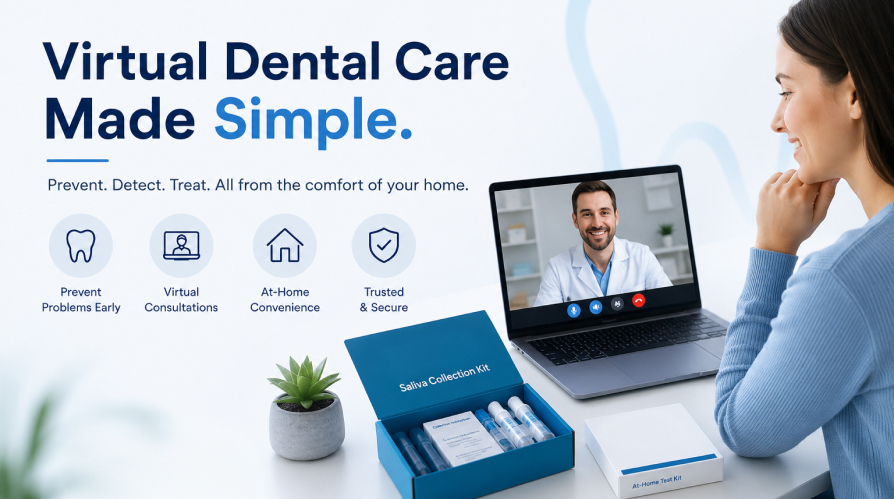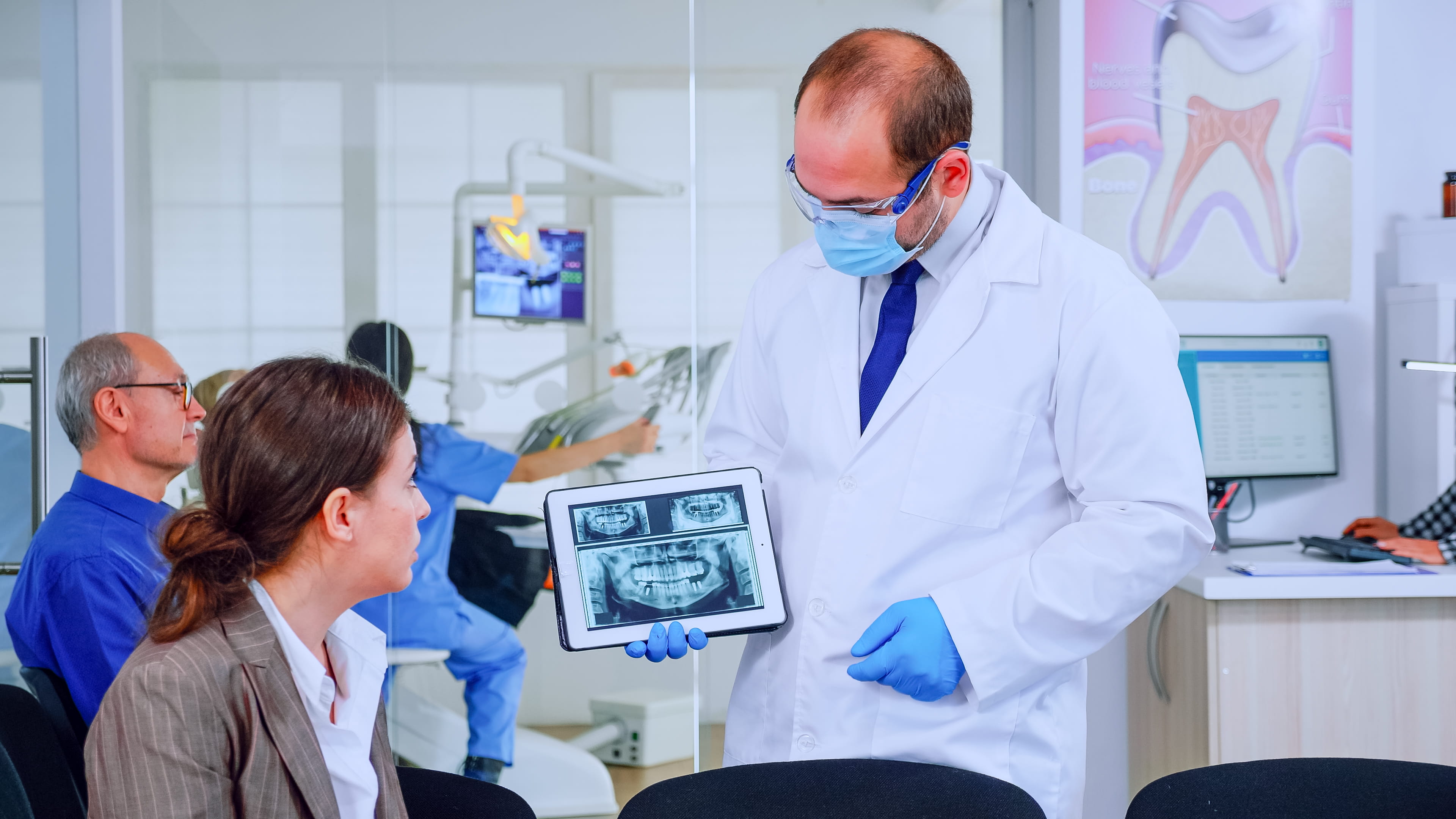
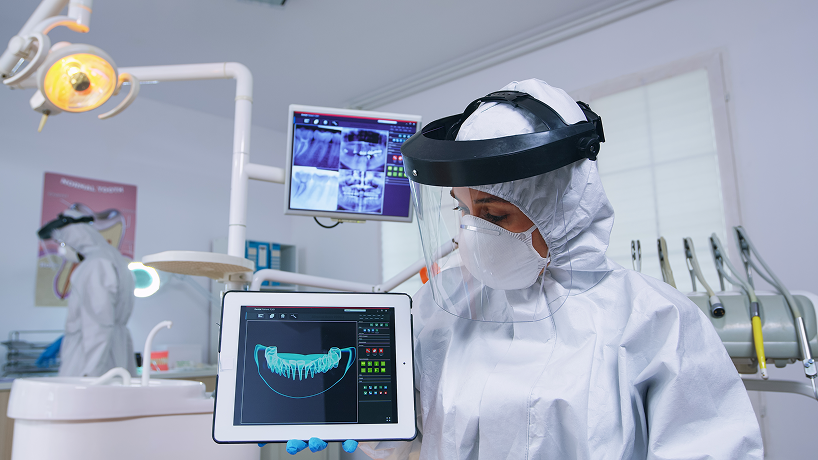
Dentistry has undergone a major digital transformation over the last decade. From imaging systems and cloud-based platforms to patient communication tools and practice management software, technology now plays a central role in nearly every aspect of modern dental care.
Today’s dental practices rely heavily on digital systems to manage scheduling, imaging, charting, treatment planning, billing, communication, and operational workflows. These tools have helped improve efficiency, enhance collaboration, and create better experiences for both providers and patients.
As the industry continues to evolve, innovation in dental technology remains essential. New platforms are constantly entering the market, existing systems are expanding their capabilities, and many companies are growing through acquisitions, partnerships, and integrations designed to support larger organizations and DSOs.
While these advancements have created exciting opportunities, they have also highlighted an important conversation that deserves more attention across the dental industry: the role of customer support, operational reliability, and responsiveness in dental software solutions.
For many dental professionals, software is no longer simply an administrative tool. It has become a critical operational infrastructure that directly impacts patient care and day-to-day clinical efficiency. When systems work properly, practices can operate smoothly and teams can focus on delivering quality care. However, when software issues arise, the ill effects can quickly spread throughout the entire practice.
Even short periods of downtime can create challenges in scheduling, imaging access, diagnostics, treatment coordination, patient communication, and financial operations. In busy practices, disruptions can affect not only productivity, but also the patient experience and overall trust in the workflow.
Unlike many other industries, dentistry operates in a healthcare environment where time-sensitive decisions and seamless coordination are essential. Dental teams depend on reliable access to information and tools throughout the day. When technical problems occur, practices need quick resolutions, accessible communication channels, and dependable support teams that understand the urgency of clinical operations.
One of the most significant shifts happening in the dental technology space today is the increasing consolidation of software companies through acquisitions and large-scale platform expansion. As organizations grow, they often focus on scalability, integration capabilities, cloud infrastructure, and broader market reach.
In many cases, these transitions are intended to bring positive improvements, including increased investment in development, expanded product ecosystems, and additional resources for innovation. However, some dental professionals have also expressed concerns about whether customer support and responsiveness always grow at the same pace as the platforms themselves.
For practices evaluating technology partners, this has become an increasingly important consideration.
Features and functionality remain important, but practices are also paying closer attention to questions such as:
These operational questions can be just as important as the software features themselves.
Historically, many dental technology companies built strong reputations not only because of their products, but because of their accessibility and customer service. Practices valued the ability to quickly reach support teams, resolve issues efficiently, and maintain continuity in patient care.
As the industry grows more competitive and technologically advanced, maintaining that level of support continues to be essential.
The reality is that dental software impacts nearly every touchpoint within a practice. Scheduling systems influence patient flow. Imaging platforms support diagnostics and treatment planning. Communication tools affect patient engagement and follow-up. Financial systems influence billing and insurance coordination. When one component experiences instability, the effects can ripple across multiple departments.
This is especially important as more practices transition toward cloud-based systems and highly integrated software ecosystems. While these platforms offer flexibility and accessibility, they also increase the importance of system reliability, uptime monitoring, cybersecurity, and responsive technical assistance.
For DSOs and multi-location organizations, these challenges can become even more complex due to the scale of operations and the number of providers relying on centralized systems.
As a result, many dental professionals are becoming more strategic when selecting technology solutions. Beyond pricing and feature comparisons, practices are now evaluating software providers based on long-term operational stability and service quality.
When considering a dental technology platform, practices may benefit from assessing areas such as:
Technology partnerships in dentistry should ultimately support both providers and patients. Strong software solutions are not only defined by advanced features or marketing claims, but also by consistency, accountability, and the ability to support practices during critical moments.
At the same time, this conversation should not be viewed as criticism of innovation or growth within the dental software industry. The continued advancement of technology is essential for the future of dentistry. Many companies are investing heavily in improving workflows, automation, AI integration, patient engagement, and cloud accessibility, all of which can create tremendous value for practices.
Rather, the broader discussion centers around balance.
As dental technology companies continue to expand and evolve, maintaining strong customer relationships and dependable support systems remains equally important. Innovation and operational support should work together, not compete with one another.
For dental professionals, choosing the right technology partner is becoming a long-term strategic decision. Practices are not simply purchasing software; they are building operational dependencies on systems that influence patient care, clinical productivity, and business performance every day.
This is why responsiveness, transparency, reliability, and communication continue to matter.
At the end of the day, dental technology should help practices operate more efficiently, improve patient experiences, and support better clinical outcomes. The strongest technology partnerships are built not only on software capabilities, but also on trust, accessibility, and a shared commitment to supporting dental teams when challenges arise.
As the dental industry continues to advance digitally, customer support and operational reliability will remain foundational elements of successful dental technology solutions.

 Patient Subscription
 Dental Professionals
 Vendors