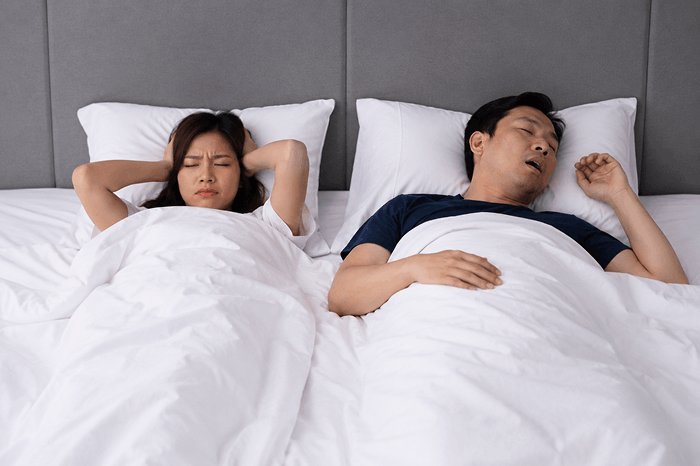
Sleep apnea is a common condition that disrupts breathing during sleep, and for many people, the hardest part isn’t treatment, it’s getting an accurate diagnosis in the first place. Thanks to home sleep testing and non-invasive treatment options like the custom sleep apnea mouthguard, patients no longer need to spend a night in a lab or commit to a CPAP machine just to find out what’s going on and start feeling better.
What Is Sleep Apnea?
Obstructive sleep apnea (OSA) occurs when the muscles in the throat relax during sleep, causing the airway to narrow or become blocked. This leads to repeated pauses in breathing throughout the night, which can fragment sleep and lower oxygen levels in the blood.
Common symptoms include:
Snoring and sleep apnea are related but not the same thing – snoring on its own doesn’t necessarily mean someone has sleep apnea, which is why proper testing matters before starting any treatment.
If left unaddressed, sleep apnea can affect overall health and quality of life over time, which is why getting evaluated is crucial rather than waiting it out.
| L Let’s learn more about nighttime sleep disruptions here |
Diagnosing Sleep Apnea With a Home Sleep Test (HST)
A home sleep test (HST) allows patients to be evaluated for sleep apnea from the comfort of their own bed, instead of spending a night connected to equipment in a sleep lab.
During a HST, a small, easy-to-use device is worn overnight to monitor things like breathing patterns, oxygen levels, and heart rate while you sleep normally at home. The results are then reviewed by a qualified physician, who determines whether sleep apnea is present and how it should be managed.
Home sleep testing is generally best suited for adults who show clear signs of sleep apnea, such as snoring and daytime fatigue. Patients with more complex medical histories may still be referred for an in-lab study, since a physician is best positioned to determine the right type of testing for each individual. As a diagnostic tool, HST is recognized and widely used for adults with suspected sleep apnea, with results reviewed by a physician to confirm the diagnosis and recommend next steps.
Many insurance plans cover home sleep testing when it’s ordered by a physician, and Dentulu can help patients check their coverage before getting started.
The Sleep Apnea Mouthguard: A Non-Invasive Treatment Option
Once sleep apnea is diagnosed, treatment doesn’t have to mean CPAP. For many patients particularly those with mild to moderate OSA, or anyone who has struggled to adjust to a CPAP mask , a custom oral appliance, often called a sleep apnea mouthguard, is an effective alternative.
This isn’t the same as an over-the-counter mouthpiece from a pharmacy. A true sleep apnea mouthguard is custom-fitted by a licensed dentist to gently reposition the lower jaw during sleep, which helps keep the airway open. Because it’s worn like a retainer rather than attached to a machine, many patients find it easier to wear consistently, night after night.
A dentist will typically fit and adjust the appliance over time to make sure it’s comfortable and working as intended, with follow-up visits to monitor progress. Mild side effects such as jaw or gum tenderness are possible in the early stages of use that generally improve as the mouth adjusts.
Not everyone is a candidate for oral appliance therapy; those with more severe sleep apnea, significant dental issues, or certain jaw conditions may need a different approach, which is exactly why a diagnosis should always come before treatment. For patients with mild to moderate sleep apnea, though, an oral appliance can be an effective treatment, and the right option ultimately depends on the severity of the condition as determined during diagnosis. Insurance coverage for the mouthguard itself also varies by plan, so it’s worth checking benefits in advance, much like coverage for the HST.
| Explore and understand options for a better sleep here |
How the Two Work Together
The typical path looks like this: a HST is used to confirm whether sleep apnea is present, a physician reviews the results, and if appropriate a dentist fits a custom oral appliance as a comfortable, non-invasive treatment option. For patients who prefer to avoid CPAP altogether, this combination offers a full path from diagnosis to relief without ever needing to visit a hospital or sleep lab in person.
Take the First Step
If you snore, wake up feeling tired, or suspect you may have sleep apnea, the best next step is getting evaluated. A home sleep test can provide the answers you need, and a custom-fitted mouthguard may offer a comfortable path forward all without leaving home.
| Reach out to Dentulu to learn whether a home sleep test and oral appliance therapy are right for you. |

 Patient Subscription
 Dental Professionals
 Vendors