You may be looking for a simple way to stop snoring. But snoring can sometimes point to a bigger concern: obstructive sleep apnea (OSA), a condition in which the upper airway narrows or closes repeatedly during sleep. A mouthpiece might help with snoring, but an off-the-shelf “snore guard” is not a substitute for finding out why you snore.
The right next step depends on your symptoms and whether a clinician has evaluated you for sleep apnea. Here’s how to tell the difference, and how to move toward care with more confidence.
“Snore guard” is a broad label for mouthpieces marketed to reduce snoring. Some hold the lower jaw forward; others use a different design. The term alone doesn’t tell you whether a device is suitable for your mouth or appropriate for treating sleep apnea.
A sleep apnea mouth guard is generally a custom-fit, adjustable oral appliance, often called a mandibular advancement device. In this article, we’ll call this a Generic MAD. It holds the lower jaw forward during sleep to help keep the airway more open. For OSA, an oral appliance should be part of clinician-guided care, not a way to self-diagnose or skip an evaluation. The American Academy of Sleep Medicine and American Academy of Dental Sleep Medicine guideline recommends a custom, titratable appliance when oral appliance therapy is prescribed for adults with OSA.

| Generic snore guard | Custom-fit Generic MAD | |
|---|---|---|
| Main purpose | May reduce snoring, depending on its design | May be prescribed as an OSA treatment for suitable patients |
| Fit | Often a standard or self-adjusted fit | Made to fit your mouth and adjusted with dental follow-up |
| When to consider it | After a clinician has assessed the snoring and discussed options | After sleep apnea has been medically evaluated and an oral appliance is considered appropriate |
| Important limit | Less snoring does not confirm that sleep apnea is controlled | Requires ongoing review; follow-up testing may be needed |
The FDA describes intraoral devices for snoring and OSA as removable devices with different designs. It also notes potential risks, including tooth or gum soreness, jaw-joint discomfort, and tooth movement. Read the FDA guidance on intraoral devices and discuss fit and risks with a qualified clinician.
Snoring by itself doesn’t confirm OSA, and not everyone with OSA snores. Pay attention to the full picture, especially if someone who shares your room has noticed pauses in your breathing. Other signs can include waking up gasping or choking, daytime sleepiness, and morning headaches. The American Dental Association’s overview of obstructive sleep apnea explains that dentists can recognize possible risk factors and refer patients for medical evaluation, but a dentist cannot establish a diagnosis from snoring alone.
Consider talking with a physician or sleep specialist if you:
If daytime sleepiness affects your ability to stay alert, don’t drive while drowsy. Ask a healthcare professional about safe next steps.
Some symptoms call for prompt medical attention rather than waiting. The Mayo Clinic’s guidance on sleep apnea recommends talking with a doctor if you notice loud snoring with gasping, pauses in breathing, or excessive daytime sleepiness. If you or someone near you experiences severe breathing trouble or a life-threatening emergency, seek emergency care right away.
Symptoms can help you decide to seek care, but they can’t tell you on their own whether you have OSA. The AASM diagnostic testing guideline says that diagnosis should be based on a comprehensive sleep evaluation and a sleep study, rather than symptoms or questionnaires alone. Depending on your situation, a clinician may recommend an at-home sleep apnea test or an overnight sleep study in a lab. If an at-home test is negative or inconclusive but concern remains, the guideline recommends an in-lab study.
That step matters because simply quieting the snoring doesn’t show whether breathing interruptions have improved. A clinician can help interpret your results and discuss options that fit your health history.

A custom-fit Generic MAD may be an option for some adults with OSA, including people who cannot tolerate CPAP or prefer to discuss an alternative. It isn’t the right choice for everyone, and a clinician should consider your diagnosis, dental health, and personal needs. The AASM/AADSM guideline recommends that a qualified dentist provide and monitor a custom, adjustable oral appliance when one is prescribed. Follow-up with your sleep clinician is also important; symptom improvement alone may not confirm that treatment is working.
A Generic MAD can cause side effects. You may notice jaw soreness, tooth or gum discomfort, changes in how your teeth meet, or extra saliva. Tell your dentist about any discomfort rather than forcing yourself to continue with a poor fit. The FDA’s device guidance lists potential risks and advises against treating central sleep apnea with these devices.
You don’t have to work out which device you need on your own. A clear care path can help you move from concern to an informed decision:
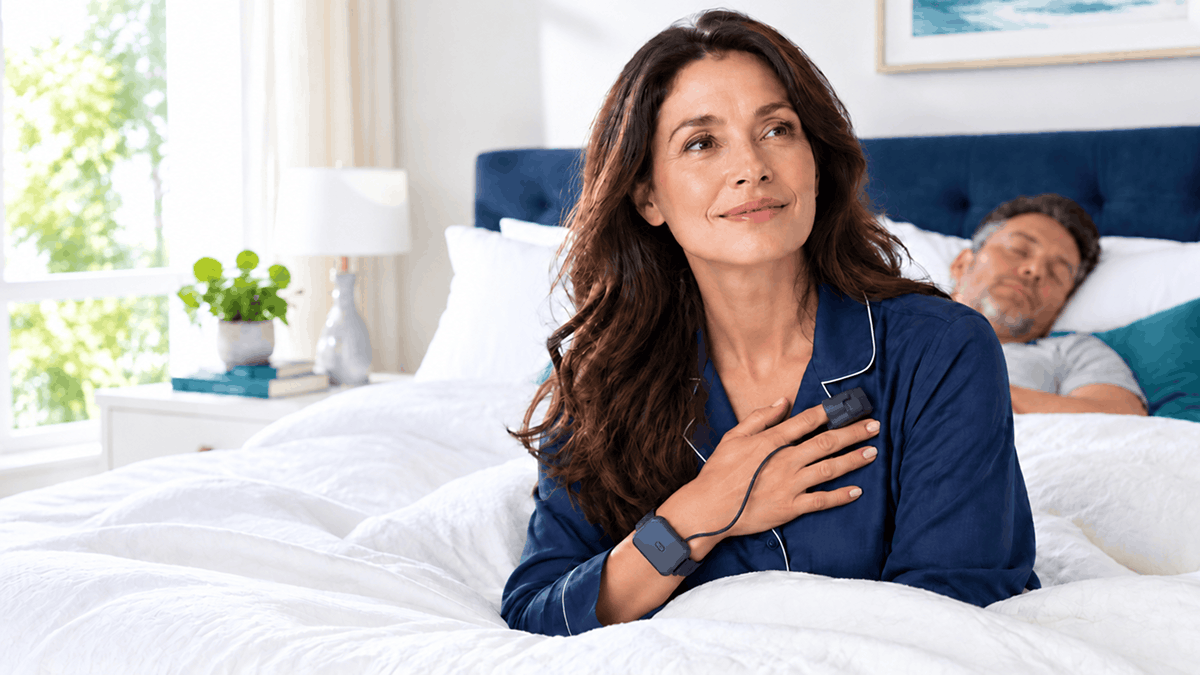
Dentulu’s sleep-care pathway includes an FDA-cleared at-home, one-night finger-sensor sleep test evaluated by sleep doctors, with custom-fit oral appliance therapy available as an option to discuss when appropriate. An at-home test doesn’t replace individualized medical evaluation; your clinician can explain what the results mean and whether further testing is needed. Learn more about Dentulu’s virtual care options.
Don’t assume it can. Snore guards vary, and quieter snoring doesn’t prove that breathing interruptions have stopped. If you suspect OSA, ask a physician or sleep specialist about evaluation before relying on a mouthpiece.
No. They work differently. A Generic MAD is an oral appliance that holds the lower jaw forward; CPAP uses air pressure to help keep the airway open. Ask your clinician which options make sense for your diagnosis and preferences.
A dentist may notice signs that suggest a need for evaluation and can help provide dental care for an oral appliance. Sleep apnea diagnosis requires medical evaluation and appropriate sleep testing. The ADA describes dentists’ role as identifying concerns and referring patients for further assessment in its OSA overview.
Stop and contact the dentist or clinician overseeing your appliance. Jaw, tooth, or gum discomfort deserves a fit check; don’t try to solve persistent pain by adjusting a device on your own.
If you snore but have no sleep apnea diagnosis, start by discussing your symptoms with a healthcare professional. If OSA is suspected, seek an evaluation before choosing a mouthpiece. And if OSA is confirmed, ask whether a custom-fit Generic MAD is suitable for you and how your care team will check that it’s working.
For dental questions about appliance fit or oral health, you can connect with a Dentulu virtual dentist. For suspected sleep apnea, involve a physician or sleep specialist as well.

 Patient Subscription
 Dental Professionals
 Vendors