
Sleep apnea is a serious sleep-related breathing disorder that affects millions of people worldwide. It occurs when breathing repeatedly stops and starts during sleep, often without the individual being fully aware. Over time, untreated sleep apnea can contribute to health concerns such as cardiovascular disease, high blood pressure, fatigue, and reduced quality of life.
Continuous Positive Airway Pressure (CPAP) therapy has long been considered the standard treatment, particularly for more severe cases. However, CPAP is not suitable or comfortable for everyone. For individuals who struggle with CPAP, alternatives such as oral appliances and sleep apnea mouth guards may provide meaningful relief—especially in mild to moderate cases.
Understanding Sleep Apnea
Sleep apnea develops when airflow is interrupted during sleep due to a partially or fully blocked airway. These interruptions can lower oxygen levels and fragment sleep, leaving individuals feeling unrested even after a full night in bed.
The most common form is Obstructive Sleep Apnea (OSA), which occurs when the muscles in the throat relax excessively and restrict airflow. A less common form, Central Sleep Apnea (CSA), happens when the brain does not consistently signal the muscles responsible for breathing.
Common Symptoms of Sleep Apnea
Because these symptoms often occur during sleep, many people are unaware of the condition until it is identified through a sleep study.
CPAP Therapy: An Overview
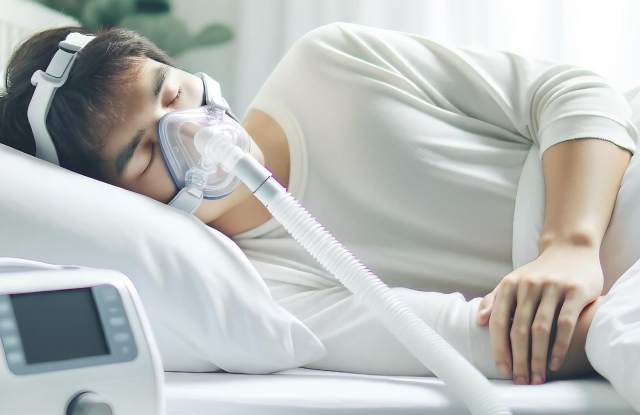
CPAP therapy works by delivering a steady flow of pressurized air through a mask, helping keep the airway open throughout the night. When used consistently, CPAP can significantly reduce breathing interruptions and improve oxygen levels during sleep.
Benefits of CPAP Therapy
Limitations of CPAP Therapy
These challenges often lead individuals to explore alternative treatment options.
Alternatives to CPAP: Oral Appliances and Mouth Guards
For people who cannot tolerate CPAP or prefer a less invasive approach, oral appliances may be a suitable option. These devices are commonly recommended for individuals with mild to moderate obstructive sleep apnea, depending on clinical evaluation.
What Are Oral Appliances?
Oral appliances often referred to as mandibular advancement devices (MADs) are custom dental devices worn during sleep. They gently reposition the lower jaw and tongue forward, helping reduce airway collapse and improve airflow.
Unlike CPAP machines, oral appliances are compact, silent, and worn entirely inside the mouth.
Oral Appliances Offered by Dentulu
Dentulu provides custom-fitted oral appliances designed to support sleep apnea management under professional guidance.
Custom devices are generally more comfortable and better tolerated than generic alternatives, particularly for long-term use.
Advantages of Oral Appliances
Limitations of Oral Appliances
How to Choose the Right Treatment
Choosing an appropriate sleep apnea treatment requires a professional evaluation. This typically begins with a sleep study to assess severity and identify the most suitable options.
Recommended Steps
A personalized approach often delivers the best long-term results.
Lifestyle Changes That Support Sleep Apnea Care
Treatment outcomes can improve when combined with healthy lifestyle habits:
The Role of Dentulu’s Sleep Apnea Mouth Guards
Dentulu’s sleep apnea mouth guards are designed to support airway positioning while prioritizing comfort and usability.
These appliances aim to:
Many individuals report improved comfort and greater consistency when using oral appliances compared to traditional CPAP therapy.
Conclusion
CPAP therapy remains an important treatment option for sleep apnea, particularly in more severe cases. However, it is not the only solution. Oral appliances and sleep apnea mouth guards offer a practical alternative for individuals who struggle with CPAP or prefer a less invasive approach.
Dentulu’s custom oral appliances provide a patient-focused option for managing sleep apnea under professional guidance. When combined with proper evaluation and follow-up care, these devices can play a meaningful role in improving sleep quality and overall well-being.
If CPAP therapy has been challenging, consider discussing alternative options with your healthcare provider or sleep specialist. Finding the right solution can make a significant difference in both sleep and long-term health.

 Patient Subscription
 Dental Professionals
 Vendors