Mints marketed for gum health share a promise: pop one after a meal and do something useful for your mouth beyond fresh breath. But “gum health mint” covers a few genuinely different approaches – xylitol, probiotics, and mineral-based formulas and they don’t all have the same evidence behind them. Here’s an honest comparison of what’s actually in these products and what the research supports.
A mint is not a substitute for brushing, cleaning between your teeth, professional dental care or treatment recommended by your dentist.
However, choosing an appropriate mint can be a convenient addition to an oral-care routine, particularly when you want to freshen your breath without adding sugar. The most useful starting point is the ingredient list, not simply the flavor or marketing claim.
Sugar-free ingredients
If you choose a mint for regular use, look for a sugar-free formulation. Frequent exposure to added sugars can contribute to an environment that supports tooth decay, so a sugar-free option may be a more appropriate everyday choice.
Xylitol
Xylitol is a sugar alcohol commonly used as a sweetener in sugar-free gum and mints. It has been studied in relation to oral health. Choosing a xylitol-containing mint does not mean the product treats cavities or gum disease; it should still be considered part of a broader oral-care routine.
Prebiotics
Prebiotics are ingredients intended to support particular microorganisms. Interest in the oral microbiome has increased as researchers continue to study how microorganisms in the mouth interact with oral health. If a product contains prebiotics, review the specific ingredients and the evidence behind the product’s claims.
Avoid unnecessary added sugar
If your goal is to support oral health, regularly consuming sugary mints is not an ideal habit. Check the ingredient and nutrition information before choosing a product for frequent use.
Xylitol is the most common ingredient in gum-health mints, including Zellie’s Xylitol Dental Mints, Spry Xylitol Mints, and Peppersmith Xylitol Mints. The mechanism is real: xylitol can’t be fermented by cavity-causing bacteria the way sugar can, and it stimulates saliva flow, which helps neutralize acid.
Where it gets more complicated is the size of the real-world effect. A large randomized trial in adults, the Xylitol for Adult Caries Trial, published in the Journal of the American Dental Association did not find a statistically significant reduction in new cavities from xylitol lozenges compared to a control. More recent systematic reviews describe the caries-prevention evidence as inconsistent and dependent on dose and frequency of use. That doesn’t mean xylitol mints are useless, saliva stimulation and sugar avoidance are still genuinely helpful habits but “prevents tooth decay” overstates what a mint alone reliably delivers.
Orasana Vegan Probiotic Mints represent a different approach introducing specific bacterial strains intended to compete with the bacteria associated with gum disease and bad breath, rather than relying on sugar substitution.
The research here is more encouraging than xylitol’s, though still developing. Recent systematic reviews and meta-analyses of probiotic supplementation for periodontal disease report measurable improvements in gum inflammation and bacterial markers when probiotics are used alongside standard brushing, flossing, and professional cleaning, the key phrase being “alongside,” not “instead of.” Researchers are still working out which bacterial strains, doses, and delivery methods work best.
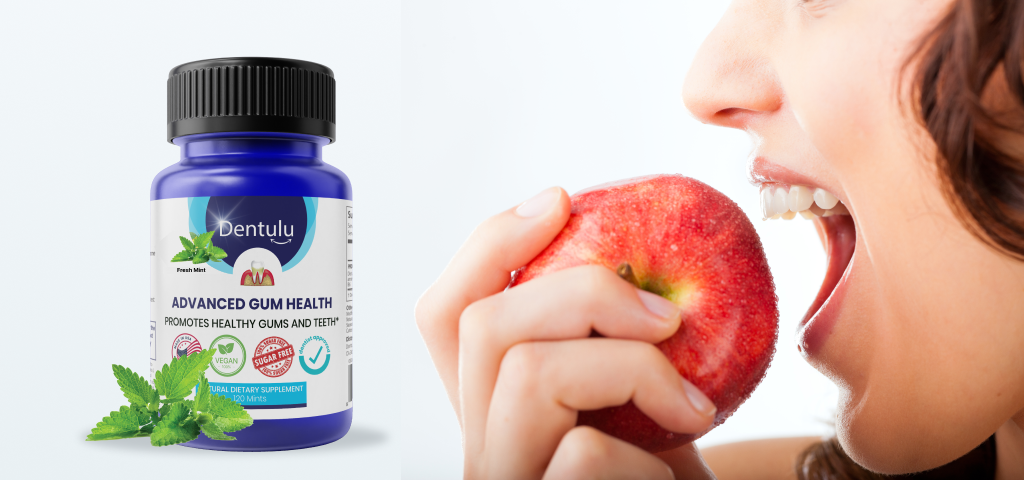
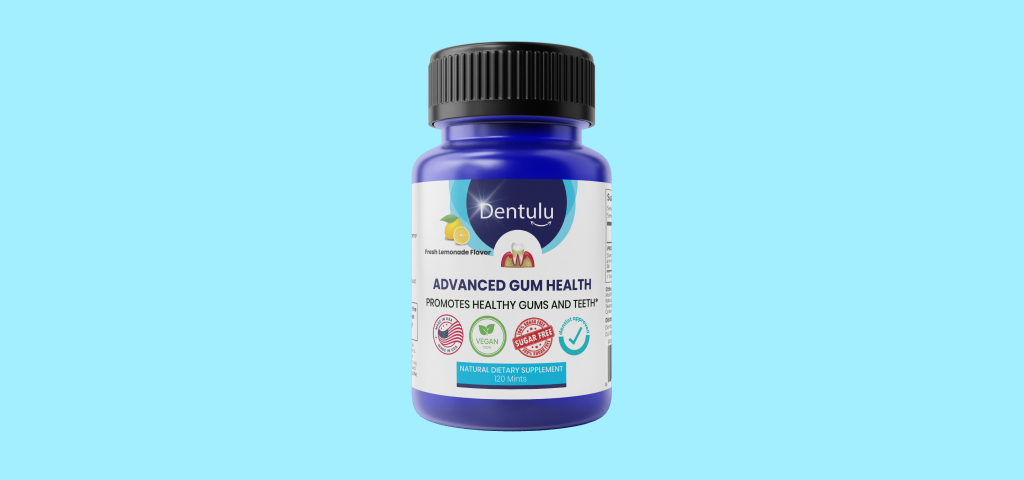
Dentulu’s mints use a different active ingredient than either category above: pHossident™, a formula built on calcium carbonate, cyclodextrin, sodium bicarbonate, and vitamin B6, along with mannitol, sorbitol, and stevia leaf extract as a sugar-free base. The intended mechanism is buffering acid and supporting the mouth’s mineral balance rather than the xylitol or probiotic pathways described above.
As with the other products compared here, this is a dietary supplement, not a drug, it hasn’t been evaluated by the FDA for treating or preventing any disease, and the honest framing is that it’s meant to support a gum-health routine, not replace one. If you’re dealing with active gum disease, that’s a conversation for your dentist, not something to self-treat with any mint on this list.
None of these are a substitute for brushing, flossing, and regular dental visits, they’re a small addition to a routine, not the routine it
A good oral-care mint should complement your dental routine rather than replace it. If you use mints regularly, look for a sugar-free formulation and understand the ingredients. For persistent dental symptoms or concerns about gum health, speak with a dental professional.

 Patient Subscription
 Dental Professionals
 Vendors