
What if dental problems could be addressed before they become serious giving patients faster clarity and helping dentists make more informed decisions? Preventive dentistry is increasingly moving in this direction, supported by advances in artificial intelligence, telehealth, and connected diagnostic tools.
In a recent episode of The TechDental Podcast, Dr. Randeep Singh Gill spoke with Shiva Kumar , Co-Founder and CTO of Dentulu, about how technology is reshaping preventive dental care. Their conversation explored how AI-powered diagnostics, virtual care, and tools like MouthCAM are helping practices focus on early detection, continuity of care, and patient engagement without disrupting existing workflows.
Traditionally, dental care has often been reactive, addressing issues only after symptoms appear. This approach can lead to delayed treatment and increased discomfort for patients. As discussed in the podcast, preventive dentistry aims to shift this model by identifying potential concerns earlier and guiding patients before problems escalate.
Digital tools now make it easier for dentists to monitor oral health trends over time, enabling more proactive conversations with patients. Prevention, in this context, is not about replacing clinical judgment but about supporting better timing and awareness in care delivery.
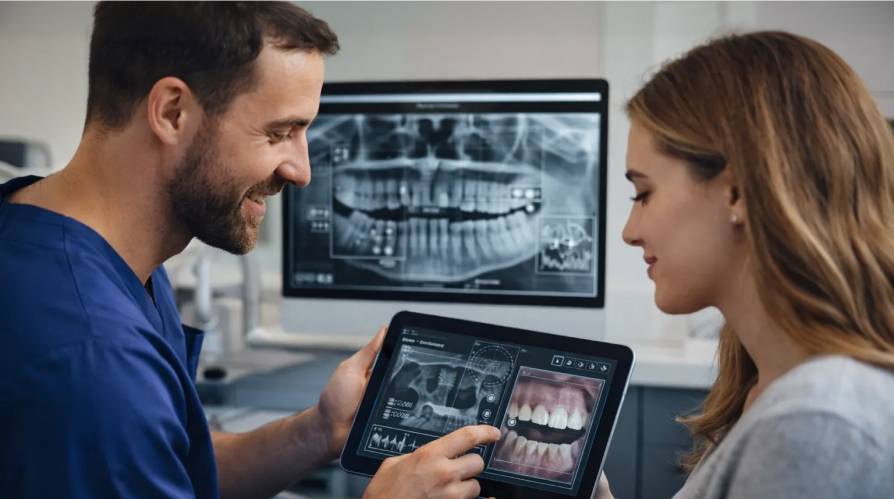
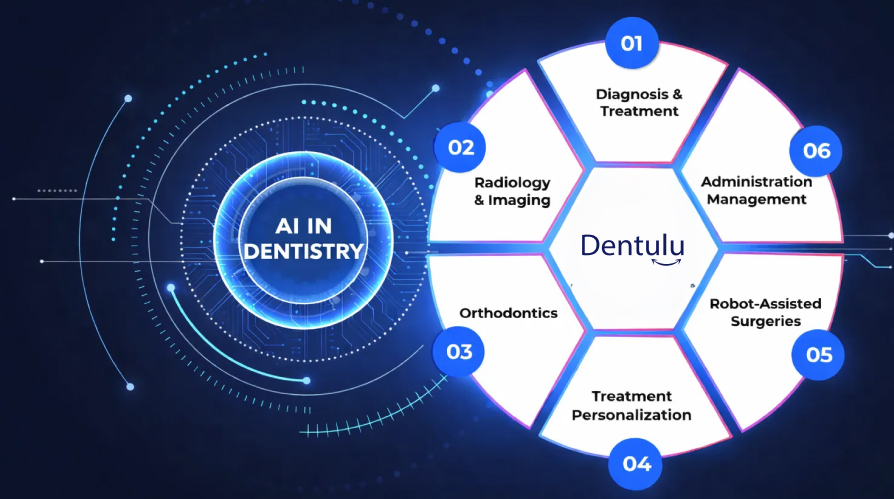
A key theme of the episode was the role of artificial intelligence as a support system for dental professionals. AI can assist with tasks such as reviewing diagnostic images, supporting differential diagnosis, and identifying patterns that may require closer attention.
Shivakumar emphasized that AI is designed to complement dentists, not replace them. Human oversight remains essential, ensuring that clinical decisions are guided by experience, context, and patient-specific considerations. This balance allows technology to enhance efficiency while preserving trust and accountability in care.
Preventive dentistry does not end when a patient leaves the dental office. During the discussion, MouthCAM was highlighted as an example of how care can extend beyond in-person visits. This at-home oral imaging tool allows patients to capture intraoral images and share them securely with their dental provider.
By enabling remote visual check-ins, tools like MouthCAM can help:
This approach helps patients take a more active role in prevention while keeping dentists connected to ongoing oral health changes.
The podcast also explored the growing role of salivary testing in preventive dentistry. Saliva can offer valuable insights related to oral conditions and their connection to overall health.
Incorporating salivary testing into preventive workflows allows providers to consider oral health within a broader health context. This supports more informed discussions with patients and aligns dentistry more closely with whole-person care.
Adopting new technology can be challenging, especially for solo and small group practices. One important point raised in the conversation was the need for solutions that fit naturally into existing workflows.
Dentulu’s digital ecosystem is designed to integrate with current practice operations, helping reduce friction during adoption. By focusing on workflow compatibility, preventive tools can be introduced gradually and practically, without adding unnecessary complexity for providers or staff.
As the episode concluded, a clear vision emerged: the future of dentistry lies in combining technology-enabled prevention with human-centered care. AI, telehealth, and remote monitoring can support earlier insights and stronger continuity, but the dentist–patient relationship remains central.
By embracing preventive technologies thoughtfully, dental practices can enhance patient engagement, support proactive care, and prepare for a future where prevention is the foundation of oral health

 Patient Subscription
 Dental Professionals
 Vendors