A good night’s sleep does more than help you feel rested, it supports your focus, mood, and overall well-being. Yet for many adults, sleep is frequently interrupted due to breathing-related issues. Sleep apnea is one such condition that can quietly affect sleep quality and daily life.
If you’ve been exploring gentle, non-invasive options, you may have come across sleep apnea mouth guards. These dental devices are gaining attention as a dentist-guided approach for people looking to improve their sleep experience. Let’s take a closer look at what they are, how they work, and why professional guidance matters.
Sleep apnea is a sleep-related breathing condition where airflow may become reduced or interrupted during sleep. These interruptions can occur multiple times during the night and may prevent the body from reaching restful sleep stages.
Sleep apnea is generally discussed in different forms, including obstructive and central types. Identifying the type and severity typically requires evaluation by a qualified medical professional. Once assessed, various management approaches may be explored based on individual needs.
What Are Sleep Apnea Mouth Guards?
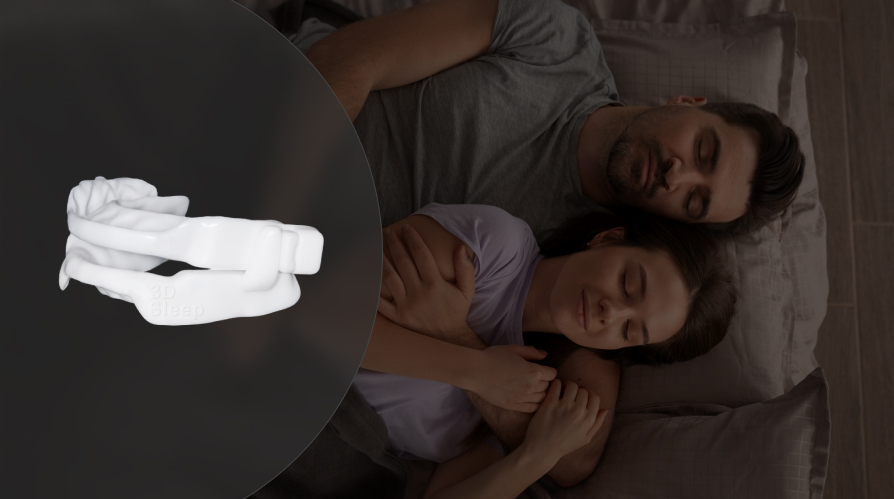
Sleep apnea mouth guards, also known as oral sleep appliances, are custom-made dental devices worn during sleep. Unlike general snoring guards available online or in stores, these appliances are designed by dental professionals based on a person’s unique jaw structure and oral health.
They are often considered as part of a dentist-guided care plan for individuals exploring alternatives to traditional sleep support devices.
During sleep, the muscles around the jaw and airway naturally relax. In some individuals, this relaxation may affect airflow.
Sleep apnea mouth guards are designed to:
Each appliance is adjusted carefully to balance comfort and function. Since everyone’s oral structure is different, customization plays a key role.
A sleep apnea mouth guard may be discussed for individuals who:
It’s important to note that suitability varies. A proper dental evaluation helps determine whether this option aligns with individual needs and oral health conditions.
One of the most important differences between professional sleep apnea mouth guards and store-bought devices is customisation.
Custom dental appliances are:
This personalized approach supports long-term wearability and helps protect teeth and jaw health.
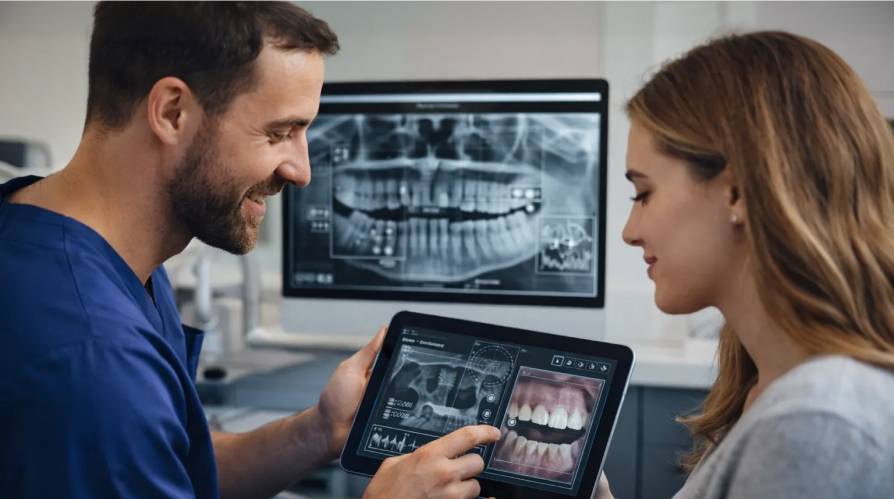
Dentists trained in sleep-related oral appliance therapy play an important role in supporting patients with sleep concerns. Their involvement typically includes:
This collaborative approach ensures that oral health remains a priority throughout the process.
Maintaining your appliance is simple and helps ensure long-term comfort:
Regular reviews help ensure the appliance continues to suit your needs.
If disrupted sleep, loud snoring, or breathing concerns are affecting your daily routine, professional consultation is recommended. A dentist can help guide you through evaluation steps and discuss whether a sleep apnea mouth guard may be suitable as part of a broader care approach.
Sleep apnea mouth guards offer a dentist-guided, personalised option for individuals seeking a comfortable approach to nighttime breathing support. When designed and monitored professionally, they fit seamlessly into daily life and sleep routines.
If you’re exploring sleep apnea mouth guard solutions, starting with a professional consultation helps ensure informed and confident decision-making.

 Patient Subscription
 Dental Professionals
 Vendors