
The dental profession stands at a pivotal historical crossroads. For over a century, traditional dentistry operated primarily as a reactive healthcare model. Patients sought care after experiencing acute pain, visible enamel breakdown, or physical gum tissue damage. Today, the industry is undergoing a structural paradigm shift towards what industry experts define as Dentistry 3.0.
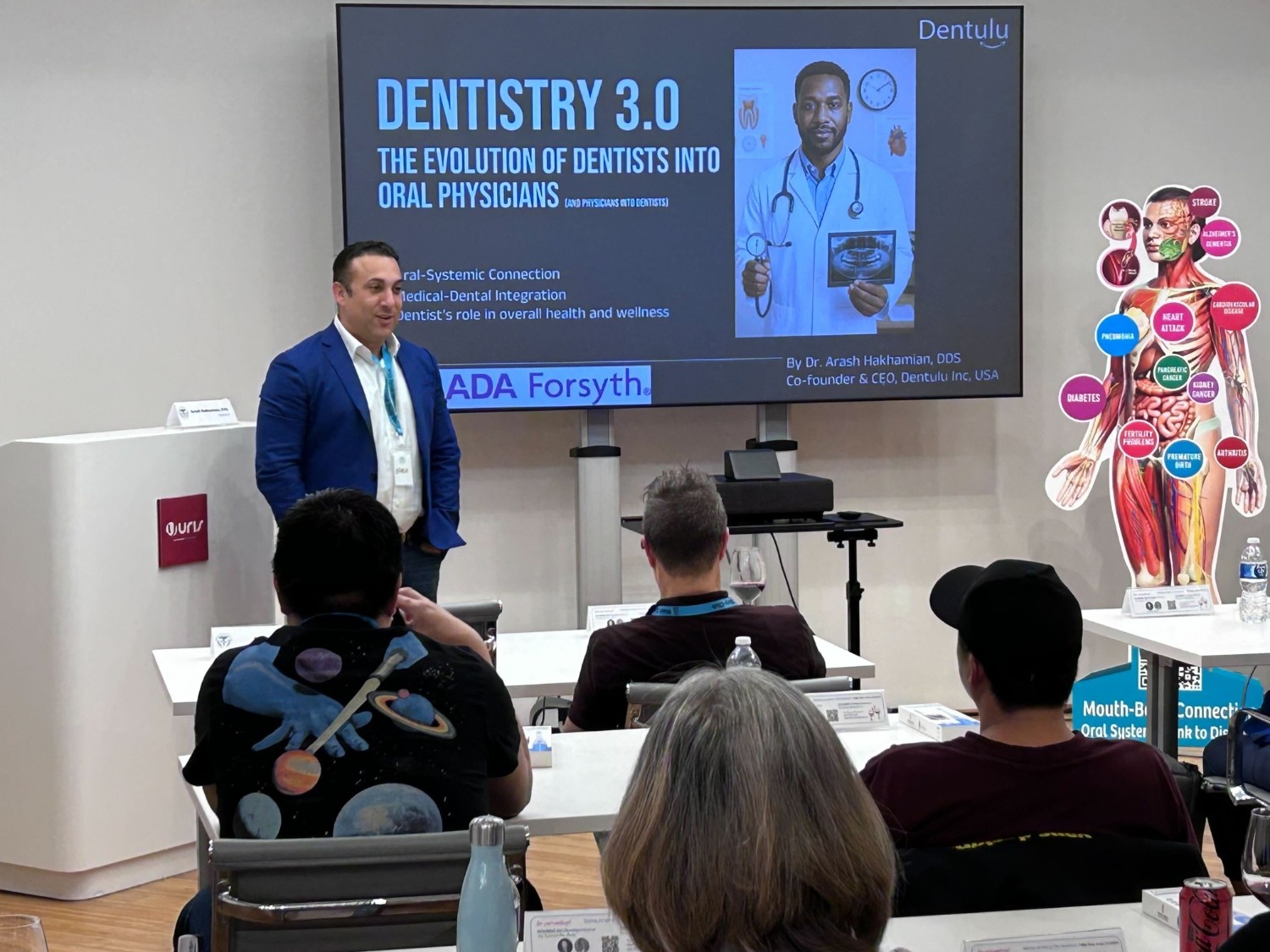
Highlighted during key industry gatherings such as the ADA Forsyth Dentech event, Dentistry 3.0 represents an integrated, tech-driven framework. Among the speakers was Dr. Arash Hakhamian, CEO and co-founder of Dentulu, who shared perspectives on how dentistry can evolve from a primarily surgical, treatment-driven discipline into a more preventive, personalized, and medically aligned model of care. This modern model combines artificial intelligence (AI), salivary diagnostics, at-home digital monitoring, and medical-dental integration to prevent disease before irreversible tissue damage occurs.
Historically, dental care focused on mechanical repair: filling cavities, placing crowns, and performing surgical procedures. While essential, these treatments address the physical symptoms of biological breakdown rather than its root causes. Dentistry 3.0 shifts the emphasis entirely toward precision prevention and early intervention.
By leveraging advanced diagnostic modalities such as microbial DNA sequencing and non-invasive surface imaging clinicians and patients can assess health risks long before structural tooth breakdown occurs. Early detection enables targeted, minimally invasive therapies that preserve natural enamel and protect supporting bone structures, ultimately reducing the need for costly reconstructive treatments.
Artificial intelligence is rapidly transforming how dental professionals analyze diagnostic data, interpret radiographs, and design personalized treatment plans. AI algorithms process clinical imaging with remarkable speed and consistency, identifying subtle density variations, early interproximal enamel softening, and early bone loss that might escape visual detection.
Furthermore, AI-powered diagnostic software serves as a powerful educational tool for patients. By visually highlighting high-risk areas on digital scans in real time, artificial intelligence bridges the communication gap between clinicians and patients, fostering greater trust, treatment clarity, and patient engagement.
One of the most significant breakthroughs defining Dentistry 3.0 is the clinical application of salivary diagnostics. The mouth is home to a complex ecosystem of hundreds of bacterial species known as the oral microbiome. When balanced, this microbial community protects oral tissues. However, chronic microbial imbalance (dysbiosis) fuels periodontitis, tooth decay, and halitosis.
| Key Industry Insight: Salivary testing analyzes microbial DNA and inflammatory biomarkers from a simple saliva sample. This non-invasive diagnostic insight allows clinicians and patients to monitor specific bacterial loads and implement personalized hygiene protocols long before physical symptoms surface. |
By integrating tools like the Dentulu Salivary Test Kit into routine care, patients can track their microbial profile conveniently from home while sharing actionable data directly with their dental providers.
For decades, dentistry and general medicine operated in distinct, isolated silos. Modern clinical research, however, continuously reinforces the profound biological connection between oral systemic health and overall systemic wellness. Chronic oral inflammation and pathogenic dental bacteria are directly linked to systemic conditions, including cardiovascular disease, type 2 diabetes, rheumatoid arthritis, and adverse pregnancy outcomes.
Dentistry 3.0 actively integrates oral healthcare into whole-body wellness. By controlling periodontal inflammation and screening for systemic markers through oral diagnostics, dental care providers play an increasingly critical role in comprehensive preventive medicine.
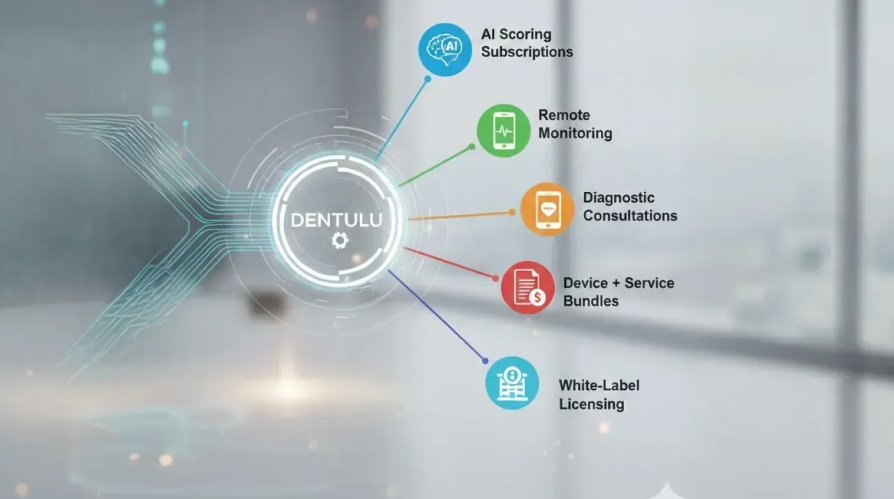
The rise of digital tele-dentistry and smart consumer devices is making dental oversight more accessible, continuous, and convenient. Modern remote monitoring tools such as HD intraoral cameras like MouthCAM and optical enamel scanners allow patients to capture high-resolution visual data from the comfort of their home.
Through secure digital platforms, patients can upload visual evidence for virtual consultation, follow-up evaluations, or orthodontic progress tracking. This continuous feedback loop ensures that minor oral changes are addressed promptly, reducing the necessity for frequent in-office visits and preventing minor concerns from escalating into emergencies.
The transformation into Dentistry 3.0 benefits both patients and dental care providers. For consumers, it offers unprecedented transparency, personalized preventive care, and convenient access to clinical guidance. For practitioners, it provides advanced diagnostic tools that elevate clinical accuracy and improve long-term patient outcomes.
As artificial intelligence, salivary testing, and remote patient monitoring continue to evolve, the future of oral care belongs to proactive, data-driven solutions that keep smiles healthy for a lifetime.
| Take Control of Your Oral Health
Discover how modern diagnostic tools and teledentistry solutions can transform your daily dental routine. Visit Dentulu.com or download the Dentulu app to connect with a licensed dental provider today. |

 Patient Subscription
 Dental Professionals
 Vendors