A tooth starts hurting after hours. You chip a tooth at lunch. Or you’re unsure whether a proposed treatment plan makes sense. Getting useful guidance can feel difficult when you’re not sure if you need an appointment, or how soon.
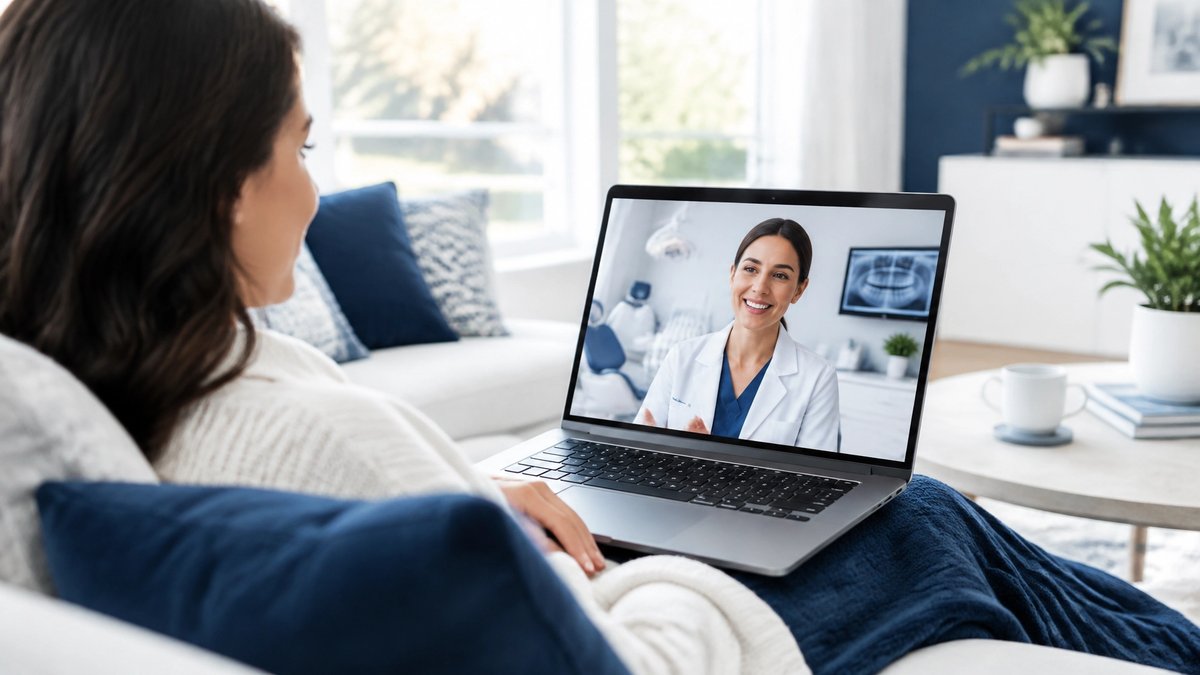
Teledentistry gives you a way to speak with a dental professional remotely and understand your next steps. It can help you talk through symptoms, share images, and decide whether you need in-person care. It cannot replace every dental exam or procedure, and a video call alone cannot confirm what is causing a problem.
Teledentistry, sometimes called telehealth dentistry, uses digital tools to support dental care from a distance. The American Dental Association (ADA) describes two common approaches: a live, two-way video visit, and an asynchronous review, where you securely send photos or other records for a dentist to review later. (ADA Policy on Teledentistry)
A virtual visit can help you share concerns, receive guidance, and plan what to do next. Whether it is appropriate depends on your symptoms and the information available. The dentist is responsible for deciding if that information is enough to provide care remotely or if you need an in-person exam. (ADA Policy on Teledentistry)
A remote consultation can be a useful first step when you need advice, triage, or a clearer plan. You might use one to discuss:
These conversations can help you understand your options. They do not guarantee that a visible concern can be identified fully or treated without an office visit.
A camera can show only what is visible in the image. A video call does not provide a hands-on examination or take dental X-rays. A dentist can’t use your phone camera to check every surface, feel around a tooth, or take an X-ray. If an X-ray or physical exam is needed, you’ll need to arrange in-person care. The ADA notes that teledentistry records may include radiographs and that the dentist must have sufficient information to make clinical decisions. (ADA Policy on Teledentistry)
For that reason, video alone cannot confirm the cause of a toothache. Several different problems can look similar on screen, and some may not be visible at all. A virtual visit can help you discuss symptoms and urgency, but it should not be treated as a definitive diagnosis when the dentist needs more information.
Remote care also cannot perform procedures such as placing a filling, repairing a damaged tooth, or treating an abscess. If you need hands-on treatment, the next step is an in-person dental appointment. (ADA Policy on Teledentistry)

The process is straightforward. Before you begin, find a quiet place, check your internet connection, and have any relevant records or medications nearby.
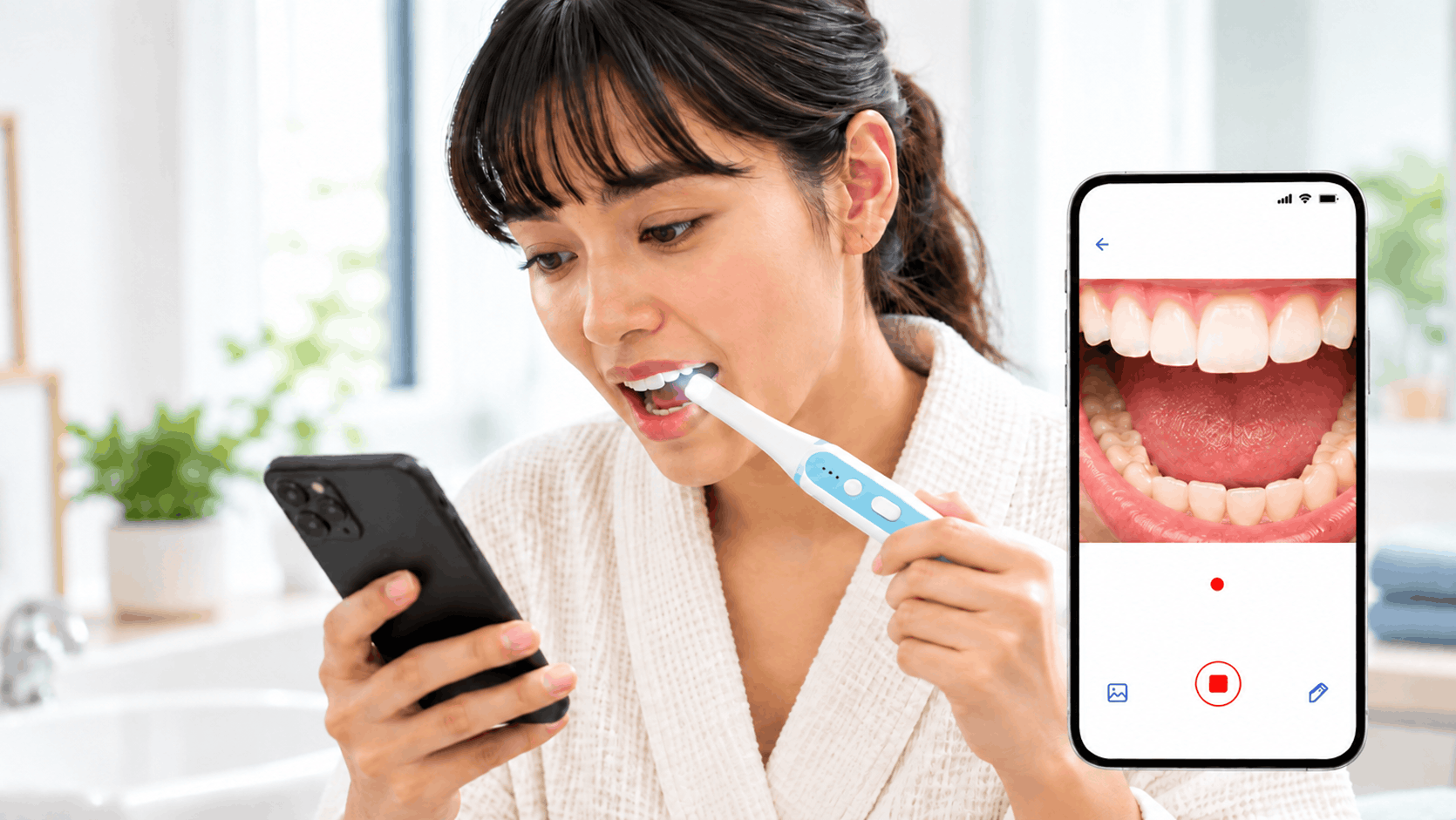
Dentulu offers virtual dental consultations and photo consultations. Its MouthCAM intraoral camera can help you capture and share views of your mouth at home. It can support a remote conversation; it does not replace a dental exam or provide X-rays.
Choose in-person care when you need an examination, imaging, or treatment that cannot be done remotely. If you’re unsure, a virtual dentist may help you decide where to go, but don’t wait for a video visit when symptoms suggest an emergency.
Get urgent help:
A virtual consultation can help you understand what to do, but it should never delay emergency or time-sensitive in-person care.
There isn’t one standard price or coverage rule for every virtual dental visit. Your cost may depend on the provider, the service, your location, and your plan. The ADA says dental plans can differ in covered services and limitations, even when offered by the same insurer. (ADA dental code and coverage FAQs)
Before booking, ask your insurer and provider:
The ADA supports coverage for teledentistry services under its policy, but that policy does not guarantee payment under your individual plan. (ADA Policy on Teledentistry) Confirm your benefits and any out-of-pocket costs before the appointment.

A virtual dental visit can be a practical first step when you need to talk through a concern, ask about a treatment plan, or get help deciding how soon to seek care. It offers guidance and coordination, not a substitute for hands-on treatment, needed X-rays, or emergency care.
Dentulu connects virtual consultations with at-home image sharing and in-office referral coordination when you need care that requires a dental office. You can learn about a virtual consultation and choose the next step that fits your concern.

 Patient Subscription
 Dental Professionals
 Vendors