
Tooth sensitivity is a common difficulty that affects millions of adults. Whether triggered by hot coffee, cold ice cream, or recent cosmetic treatments, sensitive teeth can alter how individuals approach daily oral hygiene (ADA Mouth Healthy).
Understanding the underlying causes of tooth sensitivity is essential for selecting appropriate comfort-focused care products and knowing when to consult a dental professional.
Tooth sensitivity typically occurs when the protective outer layer of enamel thins out or when gum tissue recedes, exposing the underlying dentin. Dentin contains microscopic tubules that lead directly to the tooth’s nerve center (the pulp). When cold, hot, sweet, or acidic triggers contact exposed dentin, they stimulate nerve responses, leading to temporary discomfort (ADA Mouth Healthy).
Common factors contributing to localized sensitivity include:
It is worth noting that sensitivity is not always harmless. Decay, cracks, and worn restorations are dental problems that need professional care, which is why persistent or worsening sensitivity deserves a proper examination rather than an over-the-counter fix alone.
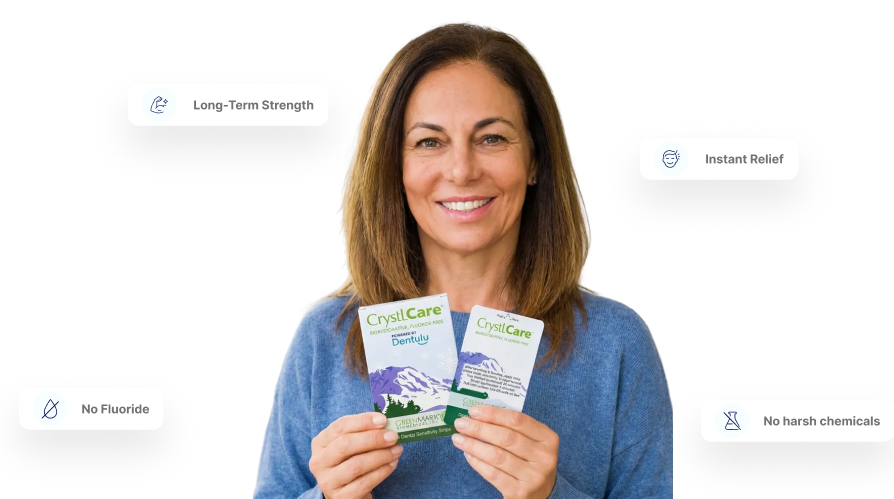
Over-the-counter sensitivity strips such as CrystLCare™ Biorestorative Fluoride-Free Dental Strips are targeted oral care products designed to deliver localized soothing ingredients directly to specific teeth.
Unlike daily toothpaste or oral rinses intended for full-mouth use, sensitivity strips are structured for as-needed, targeted application.
A quick word on fluoride: it remains one of the most well-studied tools in dentistry for strengthening enamel and preventing cavities (NIH/NIDCR). Choosing a fluoride-free product is a legitimate personal preference, and fluoride-free strips simply give consumers that option without giving up targeted comfort care. If you are unsure which approach fits your needs, ask your dentist.
Targeted sensitivity strips can serve as a supportive adjunct in several practical scenarios:
Cosmetic teeth whitening is a popular goal, but temporary sensitivity can be a drawback. Some individuals choose to apply sensitivity-focused products in the days leading up to a whitening session to help comfort sensitive areas prior to peroxide exposure.
Following a professional or home whitening procedure, temporary sensitivity may linger for 24 to 48 hours. Applying targeted strips post-treatment can help cushion sensitive spots while enamel stabilizes.
For individuals with localized enamel wear due to past aggressive brushing, applying strips on specific teeth offers a targeted approach without requiring a change to their overall daily hygiene product routine.
Targeted products like sensitivity strips complement but do not replace core preventive oral care habits:
Comfort products can help with day-to-day triggers, but some signs point to a problem that needs professional attention:
If any of these apply, schedule an examination with a licensed dentist. Teledentistry can be a convenient first step: a virtual dentist consultation lets a professional look at the tooth, review your history, and tell you whether in-office treatment is needed. For severe facial swelling, trauma, or unbearable pain, seek urgent in-person care right away.
Managing localized sensitivity works best through a combination of gentle daily hygiene habits, routine professional guidance, and thoughtful adjunct care. Products like CrystLCare™ Fluoride-Free Dental Strips offer a targeted, non-daily option for individuals seeking extra comfort around whitening treatments or localized areas of enamel wear.
If tooth sensitivity is severe, persistent, or accompanied by localized pain, schedule a consultation with a licensed dentist to identify and address the underlying cause.
Fluoride has strong evidence for strengthening enamel and preventing decay (NIH/NIDCR), and fluoride-based desensitizing products are a standard dental recommendation. Fluoride-free strips are designed for people who prefer to limit fluoride exposure; they work as a targeted comfort measure rather than a replacement for the cavity prevention benefits of fluoride. The best choice depends on your personal preferences and your dentist’s guidance.
CrystLCare™ strips are designed for as-needed, targeted use rather than continuous daily application. Follow the product instructions for placement and duration, and check with your dentist if you find yourself needing them constantly, since that pattern can signal an underlying problem worth examining.
Mild sensitivity, such as the temporary kind that follows whitening, often fades within days. Sensitivity caused by enamel wear or gum recession generally does not improve without addressing the cause, so ongoing symptoms deserve a professional evaluation (Cleveland Clinic).
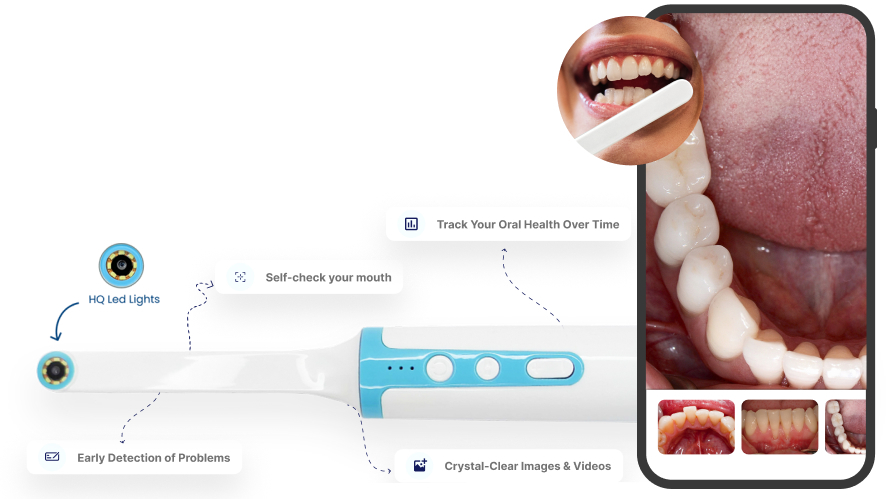
Yes. A virtual dental consultation is a convenient way to have a licensed dentist assess your symptoms, review possible causes, and determine whether in-office treatment is needed. Using tools like MouthCAM, you can even capture clear images of the sensitive area from home to share with your dentist.

 Patient Subscription
 Dental Professionals
 Vendors