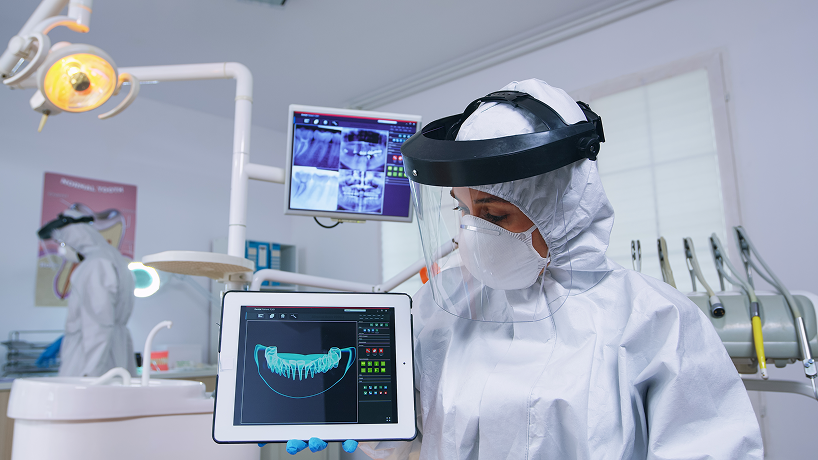

Artificial intelligence continues to influence conversations across nearly every industry, and dentistry is no exception. From workflow automation to imaging systems and digital communication platforms, AI-driven technologies are becoming part of how modern dental ecosystems are evolving.
As providers and patients continue adapting to more connected healthcare experiences, many organizations are exploring ways technology can help simplify communication, organize workflows, and support long-term engagement.
Dentulu is one of the companies participating in this evolving digital landscape by developing tools and connected systems designed to support different aspects of the dental experience.
Rather than focusing on a standalone solution, Dentulu’s approach centers around creating a broader ecosystem that combines virtual access, monitoring technologies, communication tools, and digital workflows into one connected environment.
The Growing Role of Technology in Dentistry
The dental industry has seen significant digital transformation over the past decade. What once relied primarily on in-office interactions is increasingly being supported by mobile communication, digital imaging, cloud-based records, and remote engagement tools.
Today, many dental practices are exploring:
These technologies are not intended to replace providers or clinical expertise. Instead, they are often developed to help organize information, streamline interactions, and support communication between patients and dental professionals.
As this space continues evolving, companies are approaching innovation in different ways depending on their vision and infrastructure.
Dentulu’s Connected Ecosystem Approach
Dentulu has spent several years developing a connected digital ecosystem designed to bring multiple parts of the dental journey together.
This ecosystem includes a combination of:
The goal of this approach is not simply to add another application into the dental technology space, but rather to create systems that can work together more seamlessly.
By integrating multiple technologies into one environment, Dentulu continues exploring how digital workflows may support continuity between providers, patients, and various stages of care.
MouthCAM and Digital Imaging
One of the technologies within the Dentulu ecosystem is MouthCAM, an intraoral camera designed for at-home and remote imaging support.
Intraoral cameras have become increasingly common within dentistry because they allow detailed visual images of the mouth and teeth to be captured digitally. In some cases, these technologies may support patient communication and help provide additional visual context during consultations.
MouthCAM is part of Dentulu’s broader remote engagement ecosystem and is designed to integrate with mobile workflows and communication systems.
As digital imaging technologies continue advancing, many organizations are exploring how connected imaging tools may contribute to more accessible communication between patients and providers.
Virtual Dental Communication Platforms
Virtual communication technologies have become increasingly common across healthcare industries, including dentistry.
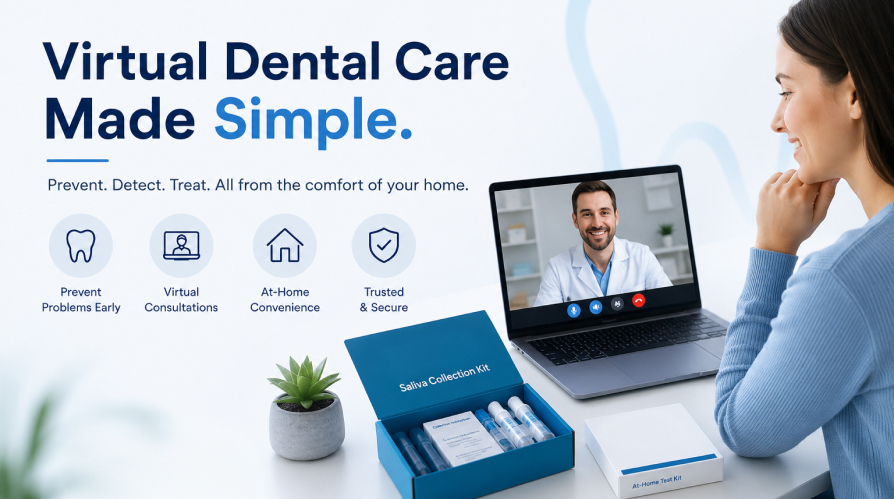
Dentulu’s platform includes tools that support virtual consultations, patient communication, and digital interaction between users and dental professionals.
The rise of telehealth and remote engagement technologies has encouraged many organizations to explore how digital communication may improve accessibility, scheduling flexibility, and workflow coordination.
Within dentistry, these technologies are continuing to evolve alongside traditional in-office experiences rather than replacing them entirely.
AI and Workflow Technologies
Artificial intelligence is currently being integrated into many industries to help organize information, automate repetitive tasks, and assist with workflow management.
Within the Dentulu ecosystem, AI-related technologies are being explored as part of broader efforts to support:
Across healthcare and dental industries, AI technologies are often discussed in relation to efficiency, communication, and system integration.
However, it is important to recognize that AI tools function as supportive technologies and do not replace professional clinical judgment or provider expertise.
As the industry continues evolving, many companies are still learning how AI can best fit into long-term healthcare infrastructure.
Preventive and Monitoring Technologies
Preventive care continues to be an important focus within modern dentistry.
Many organizations are exploring technologies that encourage patients to remain more engaged with their oral health between appointments.
Within the Dentulu ecosystem, technologies such as MouthCAM, communication systems, educational resources, and connected digital tools contribute to a broader monitoring and engagement environment.
In addition to imaging and communication technologies, Dentulu also offers products connected to oral wellness categories, including:
These products and technologies are part of Dentulu’s broader ecosystem-focused approach to oral health and digital engagement.
Building Connected Experiences
One of the recurring themes in healthcare technology is interoperability, the ability for systems, platforms, and workflows to connect more effectively.
Historically, many healthcare environments have operated using disconnected tools and fragmented communication systems.
Modern digital platforms are increasingly attempting to create more unified experiences by bringing together:
Dentulu’s technology ecosystem reflects this broader industry movement toward connected infrastructure and integrated digital experiences.
The Future of Digital Dentistry
As dentistry continues to evolve, technology will likely remain an important part of how providers and patients communicate, organize information, and navigate care experiences.
AI, remote communication systems, digital imaging tools, and connected monitoring technologies are all contributing to ongoing conversations about the future of healthcare infrastructure.
While the long-term direction of digital dentistry is still developing, many companies including Dentulu continue exploring how technology may support more connected and streamlined experiences.
Ultimately, the future of dental technology may not depend on a single feature or device, but rather on how systems work together to support providers, patients, and communication across the broader oral health ecosystem.
As the industry continues innovating, connected platforms, AI-supported workflows, and integrated technologies are likely to remain an important area of focus within modern dentistry.

 Patient Subscription
 Dental Professionals
 Vendors