
If you snore heavily, wake up with a headache, or feel exhausted no matter how many hours you slept, the cause could be obstructive sleep apnea (OSA). Many people picture a bulky CPAP mask as the only fix, but for mild to moderate cases, a custom-fitted oral appliance, often called a sleep apnea mouth guard, can be an effective alternative that is far easier to live with. The catch: you should never guess your way into treatment. The right mouth guard starts with knowing exactly how severe your sleep apnea is, and that’s where a Home Sleep Test (HST) comes in.
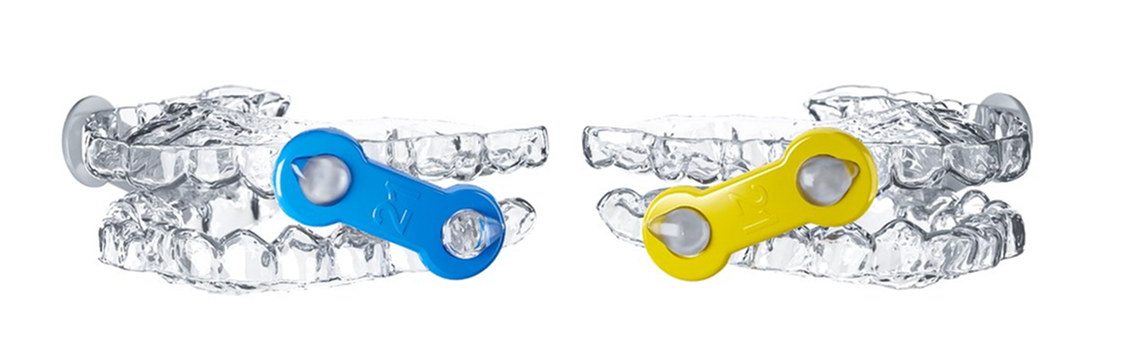
A sleep apnea mouth guard, clinically known as a Mandibular Advancement Device (MAD), is a custom oral appliance worn during sleep. It gently repositions the lower jaw forward to help keep the airway open and reduce the soft tissue collapse that contributes to snoring and breathing pauses. Devices like SomnoDent and Silent Nite are FDA-cleared and fabricated from a precise digital or physical impression of your bite, so the fit is built around your anatomy rather than one-size-fits-all.
According to the American Academy of Sleep Medicine (AASM), oral appliances are a recognized treatment option for obstructive sleep apnea, particularly for patients who are intolerant of CPAP or prefer an alternative therapy [1]. The ADA likewise notes that oral devices that support the jaw can help prevent airway collapse in some mild to moderate cases of sleep apnea [2]. Many patients find these appliances quieter, more portable, and easier to wear consistently than a CPAP machine.
Sleep apnea often goes undiagnosed for years because the symptoms are easy to write off as ordinary tiredness. Common warning signs include:
If any of this sounds familiar, the next step isn’t ordering a mouth guard, it’s confirming what’s actually happening while you sleep.

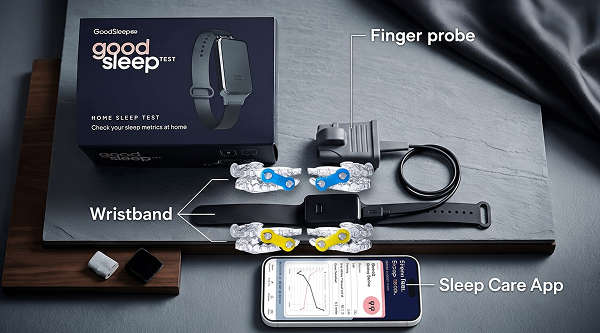
A mouth guard is only the right treatment if your sleep apnea is mild to moderate, and the only way to know that is with a sleep study. Dentulu’s home sleep test makes this step simple: an FDA-cleared, wireless, finger-worn monitoring device is delivered to your door, and you wear it overnight in your own bed instead of an unfamiliar sleep lab.
The device tracks the data licensed physicians need to diagnose OSA and gauge its severity, including:
Results are physician-reviewed and typically returned within days, along with clear guidance on whether a dental sleep appliance is an appropriate next step. Home sleep apnea testing is a well-established approach for evaluating OSA in appropriate patients, and it has become a common first step because of its convenience and lower cost compared to in-lab studies [3].
Skipping this step and jumping straight to a mouth guard means treating a guess instead of a diagnosis; the home sleep study is what turns “I think I might have sleep apnea” into a treatment plan built on real data.

CPAP machines remain the gold standard for moderate to severe sleep apnea, but many patients struggle to use them consistently; the mask, the noise, and the hose can make nightly compliance difficult. This is where oral appliances stand out: a treatment only works if you actually use it, and for many people with mild to moderate OSA, a custom mouth guard is simply easier to stick with. The AASM’s clinical practice guideline specifically notes that oral appliances should be considered for OSA patients who are intolerant of CPAP or prefer alternative therapy [1], which is exactly the trade-off many patients are weighing. Dentulu’s own patient data shows a compliance rate of about 90% among its oral appliance patients, and the industry data it cites puts oral appliance compliance at roughly 76%, compared with about 43% for CPAP.

Once your home sleep study confirms mild to moderate sleep apnea, the path to a custom mouth guard is straightforward:
Your dentist will typically schedule a follow-up after you begin wearing the appliance, since fit and jaw position may need small adjustments over time. This follow-up matters: the AASM guideline recommends that qualified dentists provide regular follow-up to monitor the appliance and manage any side effects [1]. You can explore the Dentulu sleep apnea mouth guard page to see how the appliance process works, or read more about the dental side of sleep care in our guide to sleep apnea mouth guards and better sleep.
Cost is one of the most common reasons people put off treating sleep apnea, so here is how the numbers work at Dentulu.
Pricing and coverage vary by plan and location, so the dental cost estimator and the sleep apnea mouth guards page are the fastest way to get specifics for your situation.
If snoring, fatigue, or restless nights sound familiar, resist the urge to shop for a mouth guard first. Start with an at-home sleep study to confirm your AHI and severity, then let that data guide whether a custom oral appliance is the right fit for you. It’s a simple, one-night test you can complete from your own bed, and it’s the difference between guessing at treatment and knowing exactly what your body needs.
If you’re unsure where to begin, a virtual dental consultation is a quick way to talk through your symptoms and next steps with a licensed professional.
You should not. Oral appliance therapy is a treatment for diagnosed obstructive sleep apnea, and the severity of your diagnosis determines whether an appliance is appropriate. A home sleep study is a simple, one-night way to get the data a physician needs to guide safe treatment.
A home sleep test records breathing patterns, oxygen saturation, and heart rate overnight. From this data, a physician calculates your AHI, the standard measure of how many breathing interruptions you have per hour, and uses it to diagnose and classify sleep apnea severity.
For many patients with suspected moderate OSA and no significant other health conditions, home sleep apnea testing is an accepted diagnostic approach. Depending on your health history, a physician may recommend an in-lab study instead. Your reviewing physician will confirm which type of study is appropriate for you [3].
If your results show severe OSA, CPAP is usually the first-line treatment, sometimes alongside other therapies. An oral appliance may still play a supporting role in some cases, but that decision belongs to your sleep physician and dental sleep provider working together.
Sources

 Patient Subscription
 Dental Professionals
 Vendors