
Receiving a negative sleep apnea test result can be reassuring, but what if the snoring continues? Or you still wake up feeling tired, experience morning headaches, or struggle with daytime fatigue?
A negative test doesn’t always explain every sleep-related concern. Snoring and poor sleep quality can have several possible causes, and understanding them is an important step toward finding the right solution.
In this article, we’ll explore why some people continue to snore even after testing negative for obstructive sleep apnea (OSA), what factors may contribute to ongoing symptoms, and when it may be appropriate to seek further evaluation.
Sleep studies are designed to help healthcare providers identify or rule out conditions such as obstructive sleep apnea. However, sleep is complex, and symptoms like snoring, restless sleep, or daytime tiredness may have more than one contributing factor.
For example, someone may:
A negative test result is valuable, but it may not always provide the complete picture if symptoms persist.
A sleep study measures what happens in your body during a specific night of sleep: breathing, oxygen levels, heart rate, and sleep stages. The result describes that night. It cannot capture how your breathing and sleep quality behave across every night of the year, which is one reason a single negative result does not close the book on persistent symptoms (Sleep Foundation).
Snoring occurs when airflow causes the tissues in the upper airway to vibrate during sleep. While OSA is one possible cause, it’s not the only one.
Other factors that may contribute include:
Some individuals may simply have what’s often referred to as primary snoring, where snoring occurs without meeting the criteria for obstructive sleep apnea (Mayo Clinic).
Because every person is different, persistent snoring deserves an individualized evaluation rather than assumptions.
Most snoring is harmless, but certain patterns deserve a closer look. If your snoring is loud enough to disturb others, or it comes with pauses in breathing, gasping, or excessive daytime sleepiness, that combination warrants a professional evaluation rather than self-treatment (Mayo Clinic). A previous negative test does not make these symptoms unimportant, especially if they appeared or worsened after the test was done.
Feeling exhausted despite getting several hours of sleep can be frustrating.
Daytime fatigue may be influenced by many factors, including:
If symptoms continue despite a negative sleep study, it’s worth discussing them with your healthcare provider. They may recommend additional evaluation based on your overall health and symptoms.
Yes.
A sleep study reflects what was observed during the testing period. Over time, changes in health, body weight, medications, or aging can affect sleep quality and airway function.
If your symptoms have become more noticeable since your previous evaluation, your healthcare provider may determine whether additional assessment is appropriate.
Consider scheduling a follow-up discussion if you continue to experience symptoms such as:
Your healthcare provider can review your symptoms, medical history, and previous testing to determine whether further evaluation or another treatment approach is appropriate.
At Dentulu, we make it easier to connect with qualified dental professionals through convenient virtual consultations.
If you’re concerned about persistent snoring or have questions about oral appliance therapy for sleep apnea, a consultation can help you better understand your options. Depending on your situation, your provider may discuss:
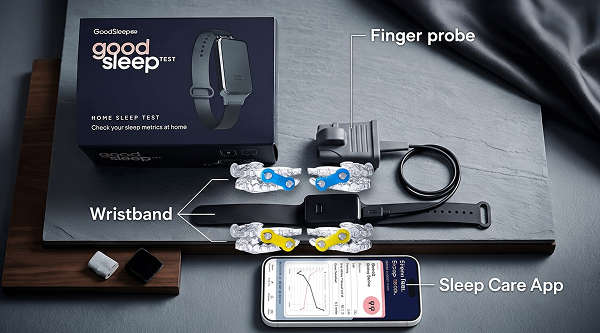
Treatment recommendations should always be based on an individual clinical evaluation and, when appropriate, coordination with your physician or sleep specialist. If a new evaluation is needed, Dentulu’s at-home sleep study lets you complete testing comfortably in your own bed, with results reviewed by qualified providers. For the bigger picture on how dental care and sleep care connect, see our article on the oral-sleep connection.
While persistent symptoms should be discussed with a healthcare professional, healthy sleep habits can also support overall sleep quality.
These include:
These measures are not a substitute for professional evaluation, but they may contribute to better sleep hygiene (Sleep Foundation).
Primary snoring (sometimes called habitual or simple snoring) is snoring that happens regularly without the breathing pauses, oxygen drops, or awakenings that define obstructive sleep apnea. It can still be loud and disruptive, and it is worth discussing with a professional if it affects your sleep quality or your bed partner’s, but it does not carry the same medical risks as untreated OSA (Sleep Foundation).
Yes, it’s possible. A sleep study captures one point in time. Weight changes, aging, nasal problems, or other health shifts can alter airway behavior over the years. If symptoms that suggest sleep apnea have appeared since your last test, such as witnessed pauses in breathing or waking with gasping, ask a healthcare provider whether retesting makes sense (Sleep Foundation).
By itself, simple snoring is generally considered a quality-of-life issue rather than a direct medical threat. However, it should never be assumed harmless without evaluation, because it can be a visible sign of airway narrowing. The safest approach is a professional review of your symptoms, especially if snoring is loud, chronic, or worsening.
Seek prompt medical attention if you experience breathing pauses witnessed by others combined with chest pain, severe morning headaches with confusion, fainting, or any symptom that feels medically alarming. These are not typical snoring complaints and should be evaluated without delay. For ongoing but stable symptoms like chronic snoring or daytime tiredness, a scheduled virtual or in-person evaluation is the right next step.
Testing negative for sleep apnea doesn’t necessarily mean your sleep concerns should be ignored. Persistent snoring or ongoing daytime fatigue may have a variety of causes, and the next step is often a conversation with a qualified healthcare professional.
If your symptoms continue or worsen, don’t hesitate to seek guidance. Understanding what’s affecting your sleep is the first step toward finding an approach that’s right for you.
Learn more: explore Dentulu’s sleep apnea mouth guards page to see how oral appliance therapy and at-home sleep testing work together.

 Patient Subscription
 Dental Professionals
 Vendors