Obstructive Sleep Apnea (OSA) affects millions of adults nationwide, yet an estimated 80% of cases remain undiagnosed (Sleep Foundation). Characterized by repetitive airway collapses during sleep, untreated OSA can lead to persistent daytime fatigue, morning headaches, cardiovascular strain, and metabolic disruption (Mayo Clinic).
While Continuous Positive Airway Pressure (CPAP) machines have long been a primary treatment, many patients struggle with mask discomfort, motor noise, and dry airways, leading to high abandonment rates (Sleep Foundation). Today, a modern alternative is revolutionizing the patient experience: a fully integrated hybrid model that combines AI risk screening, clinical-grade home sleep testing, virtual consultations, custom oral appliance therapy, and at-home HD intraoral imaging tools like MouthCAM.
By shifting educational and diagnostic touchpoints to virtual platforms while keeping essential physical procedures in the clinic, dental sleep medicine is becoming more accessible, convenient, and patient-friendly than ever before.
Why Sleep Apnea Care Fits the Virtual Dental Model
Unlike traditional restorative dentistry where almost every step requires a dental chair and hand instruments, a significant portion of sleep medicine centers on health education, symptom tracking, diagnostic data review, and ongoing care coordination (ADA).
Consider the touchpoints required during a typical sleep treatment journey:
- Physician Collaboration: Sleep apnea therapy requires interdisciplinary coordination between licensed sleep physicians and trained dental professionals (AASM).
- Patient Education & Health History: Explaining airway mechanics, reviewing health history, evaluating sleepiness scales, and discussing treatment options are naturally conversation-based processes.
- Longitudinal Support: Monitoring device comfort, tracking titration milestones, and reviewing symptom relief involve frequent follow-ups over several months.
Conducting informational and monitoring appointments virtually allows dental practices to optimize operatory time, reserve physical chairs for hands-on procedures, and eliminate unnecessary travel for fatigued patients.
How the Hybrid Workflow Operates: Virtual vs. In-Person Care
A responsible virtual dental model does not move every procedure online. Instead, it categorizes each step based on what can be handled digitally versus what requires physical operatory care.
At-Home and Virtual Touchpoints
- AI-Powered Screening & Online Assessment: Patients begin with quick health questionnaires and AI-assisted screening to evaluate risk factors like snoring, fatigue, and jaw structure.
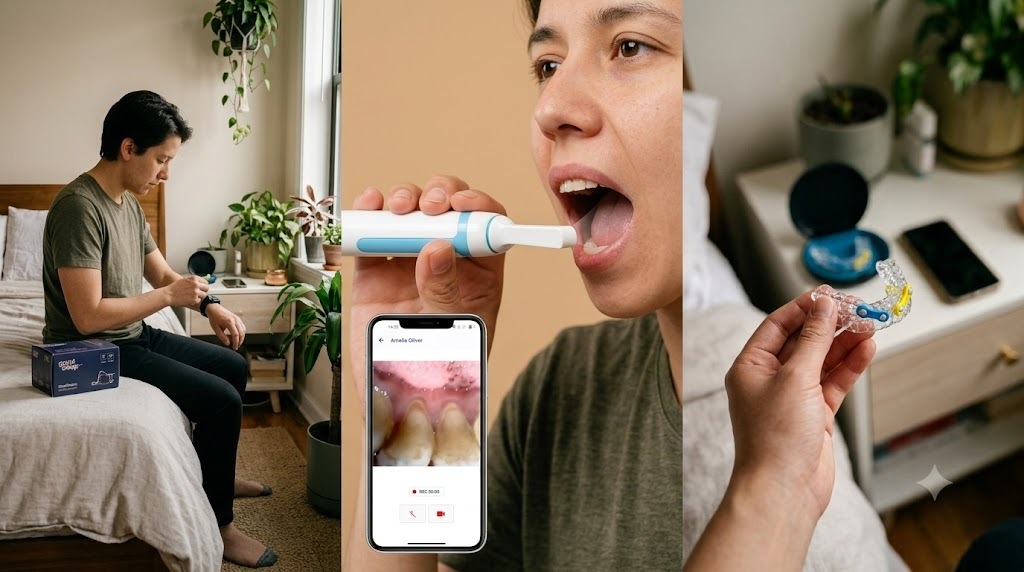
- Virtual Initial Consultation & HD Visual Inspection: A licensed dental professional reviews symptoms over video. Using tools like the MouthCAM HD Intraoral Camera (available in wired and wireless 1080p models with built-in LED lighting), patients can capture clear images of their teeth, gums, and soft tissue from home to share securely with their dentist prior to or during virtual visits.
- Home Sleep Apnea Testing (HST): Rather than spending a night in an unfamiliar sleep lab, patients can use an FDA-cleared home sleep testing device. Worn comfortably overnight in the patient’s own bed, these devices monitor key metrics including oxygen saturation, heart rate, and breathing disruptions (Sleep Foundation).
- Physician Data Review & Diagnosis: Raw sleep study data is reviewed and interpreted by board-certified sleep physicians, who issue a formal diagnosis and treatment prescription.
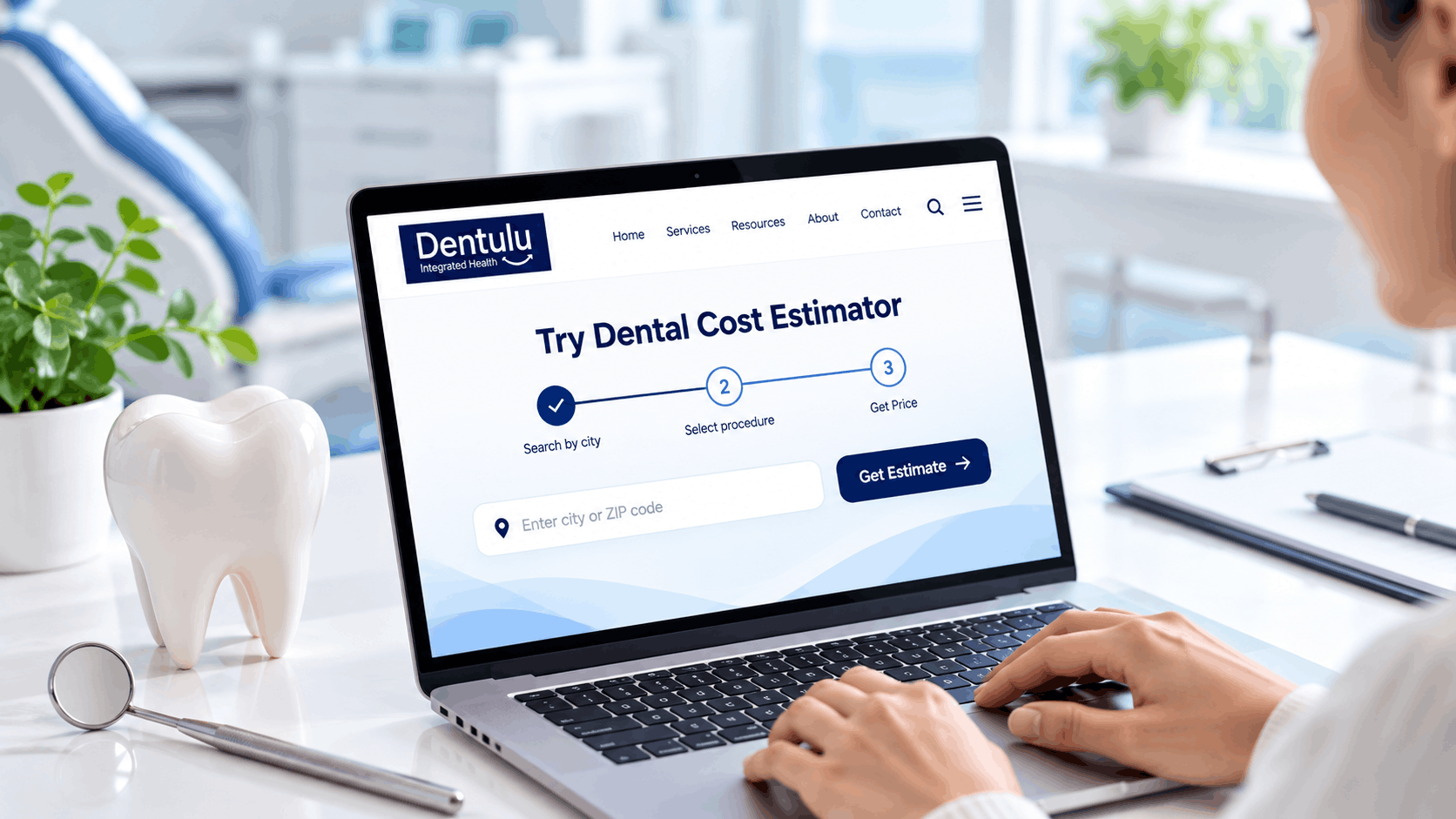
- Insurance Verification & Financial Review: Care teams verify medical insurance benefits, review coverage for oral appliance therapy, and provide transparent cost estimates before treatment begins.
- Virtual Titration & Symptom Follow-ups: Patients meet via secure video to discuss appliance comfort, report symptom changes, and receive guided instructions on advancing their adjustable device.
Essential In-Person Clinical Touchpoints
- Comprehensive Clinical Examination: A credentialed dentist evaluates the patient’s teeth, gums, periodontal health, range of motion, and temporomandibular joint (TMJ) status to confirm suitability for an appliance.
- Digital Impressions & Bite Registration: Using high-precision intraoral 3D scanners, the dentist captures accurate digital files (STL) and determines the exact target bite position without messy physical impression materials.
- Custom Device Fitting & Delivery: The patient returns to the clinic to receive their custom-fabricated Mandibular Advancement Device (MAD). The dentist inspects the fit, verifies retention, checks the bite, and ensures comfort.
- Hands-on Physical Adjustments: Any physical modifications to the appliance material, bite equilibrations, or evaluation of localized jaw discomfort must take place in person.
Key Benefits of Oral Appliance Therapy via Virtual Care
Custom oral appliances such as Mandibular Advancement Devices work by gently repositioning the lower jaw and tongue forward, keeping the upper airway open during sleep (Sleep Foundation). Combining these appliances with virtual care pathways delivers distinct advantages:
- Compact and Portable: Custom oral appliances fit easily in a pocket or purse, making them ideal for frequent travelers.
- No Power Required: Unlike CPAP machines, custom mouth guards are completely silent and operate without electricity or hoses.
- Natural Sleep Positions: Patients can sleep comfortably on their back, side, or stomach without adjusting straps or masks.
- Higher Long-Term Compliance: Removing travel barriers for routine follow-ups encourages consistent device wear and better treatment outcomes.
- Enhanced Visual Monitoring: Using at-home intraoral cameras like MouthCAM allows patients to share high-definition visuals with their dentist, helping monitor soft tissue and alignment over time without unnecessary clinic trips.
- Streamlined Interdisciplinary Care: Digital platforms facilitate secure sharing of sleep study reports, intraoral images, clinical notes, and outcome data between dentists and sleep physicians.
Essential Safeguards and Administrative Guidelines
Delivering virtual sleep dentistry requires adherence to clear clinical standards and regulatory guidelines:
- Medical Physician Involvement: Dentists do not independently diagnose sleep apnea. A physician’s diagnostic review and referral remain essential prerequisites before fabricating a custom oral device (ADA policy).
- State Licensing Rules: Telehealth providers must hold active licenses in the state where the patient is located during the virtual encounter (ADA).
- HIPAA Compliance & Data Security: All virtual visits, digital scan transfers, intraoral photos, and health records must use secure, HIPAA-compliant platforms operating under an executed Business Associate Agreement (BAA).
- Standardized Documentation: Every virtual visit must be charted with the same detail as an in-office visit, including the technology used, clinical notes, and the physical location of the patient.
When to Seek In-Person or Emergency Care
Virtual tools are powerful, but some situations require a hands-on examination without delay:
- Severe daytime sleepiness that affects your ability to work or drive safely should prompt an in-person medical evaluation promptly.
- Witnessed pauses in breathing with gasping or choking at night warrant a sleep study and physician review as soon as possible (Sleep Foundation).
- Chest pain, fainting, or trouble breathing are emergency symptoms; call your local emergency number (911 in the US) rather than scheduling a virtual visit.
- Jaw pain, loose appliance fit, or tooth movement while using an oral appliance should be assessed in person so the device can be adjusted safely.
Conclusion
Virtual technology is not meant to replace traditional dentistry; it is designed to enhance the patient journey. By pairing home sleep testing, at-home HD intraoral imaging, and virtual consultations with custom in-office appliance fitting, patients enjoy a comfortable, streamlined path to better sleep. By using virtual interactions for education and monitoring while keeping hands-on care in the dental chair, modern practices can deliver high-quality, patient-centered sleep care efficiently.
Curious whether virtual sleep apnea care is right for you? Explore Dentulu’s sleep apnea services, learn how at-home sleep testing works, or schedule a virtual appointment with a licensed dentist today.
Frequently Asked Questions
Can sleep apnea be diagnosed through a virtual dental visit?
No. A virtual visit can help identify risk factors and guide next steps, but a formal sleep apnea diagnosis requires a sleep study reviewed and interpreted by a physician (Sleep Foundation). Dentulu’s model combines at-home testing with physician review to close that gap.
How accurate is a home sleep apnea test?
Home sleep apnea testing is a recognized, FDA-cleared diagnostic approach for many adults with suspected obstructive sleep apnea. Your care team will determine whether a home test or an in-lab study is appropriate based on your health history and symptoms (Sleep Foundation).
What is the difference between a CPAP machine and an oral appliance?
A CPAP machine keeps the airway open by blowing pressurized air through a mask, while a mandibular advancement device gently repositions the lower jaw and tongue forward during sleep (Sleep Foundation). CPAP remains the gold standard for severity reduction, but oral appliances are a well-established alternative for patients who cannot tolerate CPAP.
Do oral appliances require follow-up visits?
Yes. After delivery, your dentist will want to confirm the fit, check your bite, and monitor comfort over time. Many of these check-ins can happen virtually, using tools like MouthCAM to share images from home, while physical adjustments remain in-office.


 Patient Subscription
 Dental Professionals
 Vendors