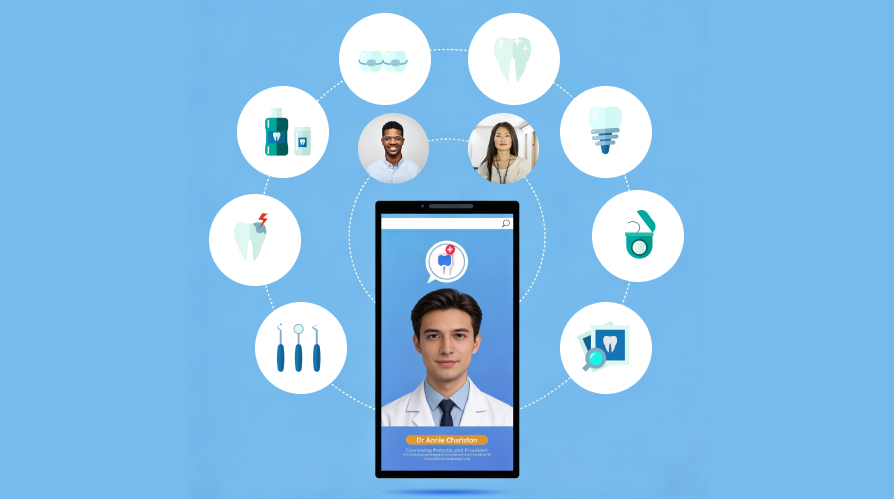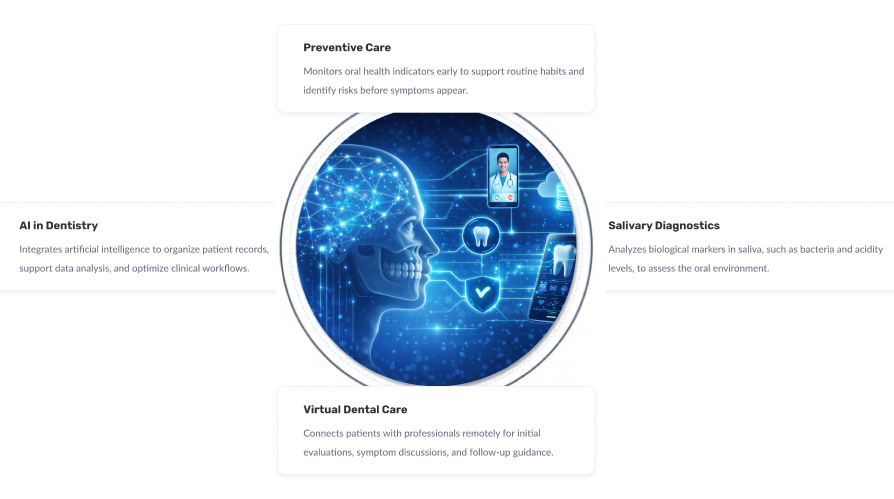

The way dental care is accessed and delivered continues to evolve with the adoption of digital tools. One of the key developments in this shift is teledentistry, a model that enables remote interaction between patients and dental professionals using digital platforms.
Teledentistry does not replace in-person dental care. Instead, it complements traditional clinic visits by supporting communication, initial evaluations, and follow-ups through virtual channels. As more patients and providers explore digital options, teledentistry is becoming an increasingly relevant part of modern dental care.
What Is Teledentistry?
Teledentistry refers to the use of digital technology to facilitate dental consultations, communication, and information sharing remotely. It may include:
These interactions are typically conducted through secure platforms designed to connect patients with licensed dental professionals.
Benefits of Teledentistry for Patients
Teledentistry allows patients to connect with dental professionals without needing to visit a clinic for every concern. This may be useful for:
For individuals in remote locations or with time constraints, this approach can offer an additional pathway to access professional input.
Scheduling and attending in-person appointments may require travel and waiting time. Virtual consultations can reduce these logistical steps by allowing patients to connect from home or work.
This can be particularly helpful for:
Teledentistry supports access to dental second opinion services by allowing patients to share reports and images digitally.
This enables patients to:
Communication does not always need to be limited to clinic visits. Teledentistry platforms often include messaging or follow-up features that allow patients to stay connected with providers.
This may support:
By making dental professionals more accessible, teledentistry may encourage patients to seek guidance earlier rather than waiting for symptoms to progress.
Early engagement can support awareness and informed decision-making about oral health.
Benefits of Teledentistry for Providers
Teledentistry allows providers to connect with patients beyond their immediate geographic area. This can include:
This expanded reach can support broader patient engagement.
Digital consultations can be integrated into a provider’s schedule alongside in-person appointments. This flexibility may allow providers to manage different types of interactions more efficiently.
Examples include:
Teledentistry platforms often include tools for sharing records, images, and notes. This can help streamline communication between patients and providers.
Centralized digital communication may support:
Providers can use teledentistry to engage patients in discussions about preventive care, oral hygiene, and lifestyle factors.
This may help:
Teledentistry can be part of a broader digital ecosystem that includes diagnostics, patient records, and communication tools.
Platforms such as DentuluPro are designed to support providers with digital workflows, allowing integration of virtual consultations with other aspects of practice management.
How Dentulu and DentuluPro Support Teledentistry
Dentulu offers a patient-facing platform that enables:
DentuluPro complements this by providing tools for providers to manage digital interactions, workflows, and patient communication.
Together, these platforms reflect an integrated approach where patient access and provider tools are connected within a unified system.
To explore more:
When Teledentistry May Be Useful
Teledentistry may be considered in situations such as:
However, certain conditions still require in-person examination, imaging, or procedures. Teledentistry is best viewed as a complementary option rather than a replacement.
Considerations and Limitations
While teledentistry offers convenience, it is important to understand its scope:
Patients and providers should use teledentistry as part of a broader care approach.
The Role of Teledentistry in Modern Dental Care
Teledentistry reflects a broader shift towards digital healthcare, where access, communication, and coordination are supported through technology.
For patients, it provides additional ways to connect with dental professionals.
For providers, it offers tools to manage interactions and workflows more efficiently.
As digital platforms continue to evolve, teledentistry is likely to remain an important component of how dental care is accessed and delivered.
Final Thoughts
Teledentistry offers a connected approach that may benefit both patients and providers by supporting communication, access, and coordination.
While it does not replace traditional in-person care, it adds another layer to how dental services can be delivered. Platforms like Dentulu and DentuluPro demonstrate how digital tools can be structured into an integrated ecosystem that supports different aspects of the dental care journey.
Understanding how and when to use teledentistry can help both patients and providers navigate modern oral healthcare with greater flexibility

 Patient Subscription
 Dental Professionals
 Vendors