Porphyromonas gingivalis in Alzheimer’s Disease: Evidence of Causation
Study: Science Advances, 2019
PMID: 30746447
PubMed Link:
https://pubmed.ncbi.nlm.nih.gov/30746447/
The Oral Microbiome and Alzheimer’s Disease: A Hidden Infection in the Brain?
Alzheimer’s disease is not just a neurological disorder—it may also be deeply connected to infections that originate in the mouth. Emerging research shows that Porphyromonas gingivalis, one of the most destructive periodontal pathogens, can invade the brain, trigger inflammation, and accelerate neurodegeneration.
This silent bacterial invasion may begin years before memory loss ever appears.
Detect early oral pathogens linked to Alzheimer’s risk.
Get your kit and interpret the results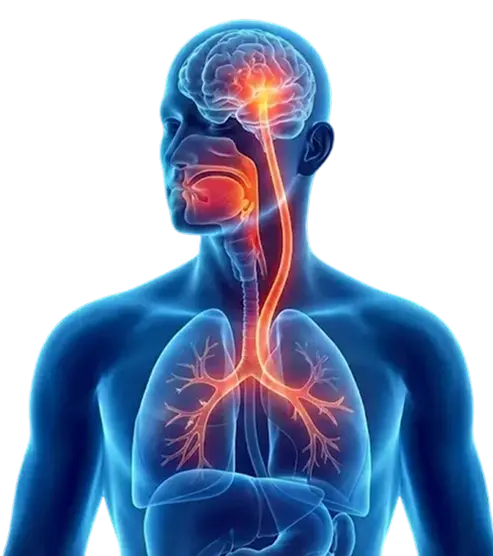
About the Study
Title: Porphyromonas gingivalis in Alzheimer’s disease brains: Evidence of causation
Authors: Dominy SS et al.
Journal: Science Advances, 2019
PMID: 30746447
Summary: This breakthrough study found P. gingivalis—a key periodontal pathogen—inside the brains of Alzheimer's patients. The bacteria’s toxic enzymes, known as gingipains, were present at high levels and correlated with brain tissue damage. Researchers also showed that blocking these bacterial toxins reduced neuronal death, suggesting a potential therapeutic path.
Key Findings
- P. gingivalis DNA and gingipain toxins: Detected in Alzheimer’s brain tissue.
- Levels of gingipains: Correlated with severity of neurodegeneration.
- Oral infection in mice: P. gingivalis led to brain colonization and production of amyloid-beta.
- Blocking gingipains: Protected neurons and reduced inflammation.
- Causal role: Study strongly supports a causal role of oral pathogens in Alzheimer’s progression.
Mechanism (Mouth → Body → Brain)
How Oral Bacteria May Trigger Alzheimer’s Disease
- Gum Infection: P. gingivalis thrives in deep periodontal pockets.
- Bloodstream Entry: Chewing, brushing, or inflammation allows bacteria to enter circulation.
- Neuroinvasion: Bacteria cross the blood–brain barrier, often via immune cells or cranial nerves.
- Toxin Release: Gingipains attack brain cells, causing inflammation and amyloid deposition.
- Neuronal Damage: Continuous toxin exposure accelerates memory loss and cognitive decline.
This is a biologically plausible, experimentally supported pathway linking periodontal disease to Alzheimer’s.
Clinical Relevance
Why Patients Should Care
- Alzheimer’s often begins decades before symptoms; oral infections may be one upstream trigger.
- Chronic gum disease increases systemic inflammation, a known risk factor for neurodegeneration.
- Gingipains may accelerate neuronal damage even before cognitive symptoms appear.
- Detecting and treating oral pathogens early may reduce long-term brain risk.
- Salivary testing offers a simple, non-invasive way to identify high-risk bacteria.
This research reframes Alzheimer’s as not only a brain disease, but also a microbial disease—one that may begin in the mouth.
Take Control of Your Oral–Brain Health
Uncover dangerous pathogens before they reach systemic circulation.
Get your kit and interpret the resultsRelated Research
- Oral Microbiome & Cognitive Decline
- Periodontal Disease & Systemic Inflammation
- Salivary Biomarkers and Neurodegeneration
- Diabetes, Oral Health, and Dementia Risk
FAQ
Reference
- Dominy SS, Lynch C, Ermini F, et al.: Porphyromonas gingivalis in Alzheimer’s disease brains: Evidence of causation. Science Advances. 2019;5(1):eaau3333. PMID: 30746447.