Periodontitis and COPD — Does Poor Oral Health Worsen Lung Disease?
Representative sources (PubMed / PMC):
Gomes-Filho IS, et al. Periodontitis and respiratory disease — PMID: 31715080.
https://pubmed.ncbi.nlm.nih.gov/31715080/
Apessos I, et al. Effect of periodontal therapy on COPD outcomes — PMID: 33736634.
https://pubmed.ncbi.nlm.nih.gov/33736634/
Shi Q, et al. COPD patients’ periodontal status — PMID: 29422870.
https://pubmed.ncbi.nlm.nih.gov/29422870/
Kelly N, et al. Periodontitis may be associated with respiratory diseases — PMID: 33303090.
https://pubmed.ncbi.nlm.nih.gov/33303090/
Wang D, et al. Periodontal disease and incident COPD — PMID: 37850252.
https://pubmed.ncbi.nlm.nih.gov/37850252/
The Oral Microbiome and COPD: When Gum Disease Feeds a Sick Lung
Chronic obstructive pulmonary disease (COPD) is a progressive respiratory disorder that’s among the leading causes of death worldwide. Mounting evidence shows that poor periodontal health and oral dysbiosis are common in COPD patients and may worsen disease progression, increase exacerbation frequency, and reduce quality of life.
Identify oral pathogens that raise COPD risk and guide preventive oral care.
Gum Disease Treatment Online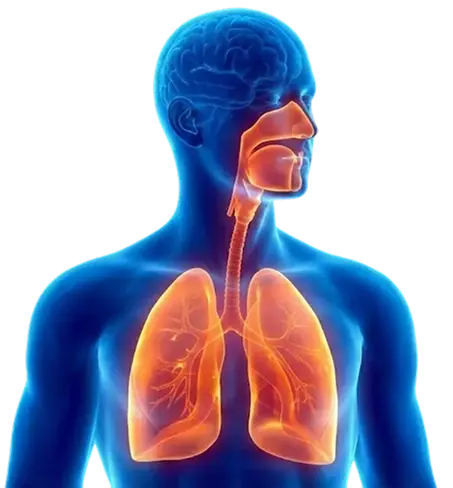
Summary
Several observational studies, systematic reviews, and meta-analyses find that COPD patients have worse periodontal status (deeper pockets, more attachment loss, fewer teeth) and higher oral pathogen loads than matched controls. Some interventional studies suggest periodontal therapy can reduce COPD exacerbations and improve patient outcomes, though evidence quality and confounding (especially smoking) remain important caveats.
Key Findings
- COPD patients tend to have worse periodontal health — deeper pockets, higher attachment loss, higher bleeding on probing, and fewer teeth compared with non-COPD controls.
- Periodontal pathogens and oral dysbiosis are more prevalent in COPD and have been detected in sputum and lower-airway samples in some studies.
- Meta-analyses report a positive association between periodontitis and COPD (pooled ORs often ≈1.2–2.1 depending on study design), but heterogeneity is high and smoking is a major confounder.
- Periodontal therapy may reduce COPD exacerbation frequency and improve quality of life in some trials and systematic reviews, but randomized evidence is limited and effect sizes vary.
- Large cohort analyses show modest increased incident COPD risk associated with periodontal disease when adjusted models are used (e.g., HR ≈1.25 in a large 2024 cohort), highlighting population-level relevance.
Mechanism (Mouth → Airways → Lung Injury)
How periodontal disease plausibly worsens COPD
- Oral reservoir & dysbiosis: Periodontal pockets and dental plaque harbor anaerobes and opportunistic respiratory pathogens (e.g., Fusobacterium nucleatum, P. gingivalis).
- Aspiration / microaspiration: Saliva or plaque microbes are frequently aspirated into the lower airways—especially during sleep, in those with impaired cough/swallow reflex, or in advanced COPD.
- Direct infection and inflammation: These microbes or their products (LPS, proteases) injure airway epithelium, promote neutrophilic inflammation, and may destabilize airway homeostasis.
- Systemic inflammation & exacerbation risk: Periodontal inflammation increases systemic cytokines (IL-6, CRP) and may lower host defenses, raising the risk/severity of COPD exacerbations.
The mechanism is biologically plausible and supported by observational, microbiologic, and interventional evidence—though confounding factors (smoking, socioeconomic status, comorbidities) complicate causal attribution.
Clinical Relevance
Why this matters to COPD patients and clinicians
- COPD exacerbations drive morbidity and mortality: If oral pathogens contribute to exacerbation risk, then oral screening and treatment become realistic prevention strategies.
- Oral health is modifiable: Scaling, root planing, denture care, and improved daily oral hygiene can lower pathogenic load and inflammation — a low-cost intervention compared with COPD hospitalizations.
- Target high-risk patients: Elderly COPD patients, those with frequent exacerbations, poor dentition, or swallowing issues benefit most from targeted salivary testing and enhanced oral-care protocols.
- Caveat: Smoking is a shared and dominant risk factor that confounds many studies — models that carefully adjust for smoking show smaller (but still present) associations. Clinical decisions should consider the whole risk profile.
Test the Mouth to Protect the Lungs
Identify COPD-relevant oral pathogens and reduce exacerbation risk with targeted dental care.
Gum Disease Treatment OnlineRelated Research
- Periodontitis & Systemic Inflammation (CRP/IL-6)
- Aspiration Pneumonia & Oral Reservoirs
- Salivary Biomarkers for Respiratory Risk
- COPD Exacerbations: Prevention Strategies
Have questions? Get answers
References
-
Gomes-Filho IS, et al. Periodontitis and respiratory diseases: systematic review. J Clin Periodontol. 2020; PMID: 31715080.
PubMed https://pubmed.ncbi.nlm.nih.gov/31715080/ -
Apessos I, et al. Effect of periodontal therapy on COPD outcomes: systematic review & meta-analysis. BMC Pulm Med. 2021; PMID: 33736634.
PubMed https://pubmed.ncbi.nlm.nih.gov/33736634/ -
Shi Q, et al. Patients with Chronic Obstructive Pulmonary Disease suffer worse periodontal health: meta-analysis. Front Physiol. 2018; PMID: 29422870.
PubMed https://pubmed.ncbi.nlm.nih.gov/29422870/ -
Kelly N. Periodontitis May Be Associated With Respiratory Diseases Such as Asthma, COPD, and Pneumonia. J Evid Based Dent Pract. 2020; PMID: 33303090.
PubMed https://pubmed.ncbi.nlm.nih.gov/33303090/ -
Wang D, et al. Association between periodontal diseases and incident COPD: large cohort analysis. 2024; PMID: 37850252.
PubMed https://pubmed.ncbi.nlm.nih.gov/37850252/