Periodontal Disease and Stroke — Can Gum Infection Raise Your Risk of a Stroke?
Representative high-quality sources / PubMed links:
Lafon A, Pereira B, et al. Periodontal disease and stroke: a meta-analysis of cohort studies. PMID: 24712659.
https://pubmed.ncbi.nlm.nih.gov/24712659/
Fagundes NC, Fernandes G. Periodontitis as a risk factor for stroke. PMCID: PMC6847992.
https://pmc.ncbi.nlm.nih.gov/articles/PMC6847992/
Zheng X, et al. Periodontitis is associated with stroke. Journal of Translational Medicine (2023).
Periodontitis is associated with stroke | Journal of Translational Medicine
The Oral Microbiome and Stroke: A Silent Road from the Mouth to the Brain
Stroke can be sudden and devastating—but emerging evidence shows that a controllable source of risk may live in the mouth. Chronic periodontal infection, by seeding inflammation and even microbes into the circulation, is associated with higher stroke incidence in multiple studies. This connection reframes stroke prevention: oral care is brain care.
Identify oral pathogens and reduce systemic inflammation that may contribute to stroke risk.
Elevate Your Oral Care Routine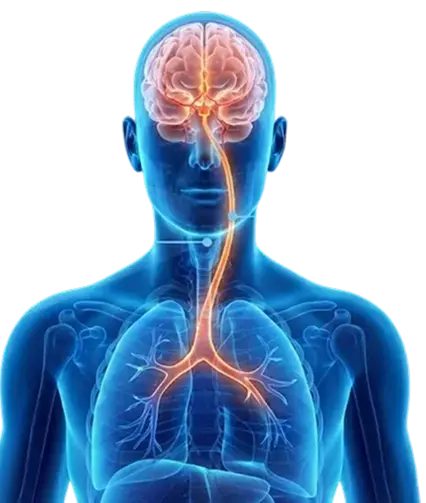
About the Evidence
Scope: Systematic reviews, meta-analyses, cohort studies, and mechanistic work examining whether periodontal disease (or markers such as tooth loss) is associated with increased stroke risk.
Summary Multiple cohort studies and meta-analyses report that people with periodontitis or poor dental health have higher odds of ischemic stroke compared with people with healthy gums. Mechanistic data show oral bacteria or their DNA in carotid plaques and increased systemic inflammation (CRP, IL-6) in people with severe gum disease—pathways that plausibly increase stroke risk. However, studies vary in design and adjustment for confounders (notably smoking, hypertension, socioeconomic status), so the association is consistent but not proven as strictly causal.
Key Findings
- Higher stroke risk in periodontal disease cohorts: Meta-analyses of cohort studies report significantly increased stroke risk (pooled relative risks often in the 1.3–1.7 range) for individuals with periodontitis or extensive tooth loss.
- Oral bacteria detected in vascular tissue: Oral pathogens and bacterial DNA (including periodontal species) have been identified in carotid atheroma and thrombectomy samples from stroke patients, suggesting direct microbial involvement in vascular disease.
- Systemic inflammation is elevated with periodontitis: Periodontal disease increases systemic inflammatory markers (CRP, IL-6), which are established risk factors for atherosclerotic stroke.
- Severity matters: Recent cohort data show a graded relationship—moderate and severe periodontitis confer higher stroke risk than mild disease.
- Confounding & heterogeneity exist: Not all studies agree; effect sizes vary and residual confounding (especially smoking and socioeconomic status) weakens causal claims — but the overall evidence across study designs supports a meaningful association.
Mechanism (Mouth → Blood → Brain)
How periodontal disease plausibly increases stroke risk
- Local chronic infection: Periodontitis causes persistent bacterial biofilm and local immune activation.
- Bacteremia & microbial translocation: Daily activities (chewing, flossing) and periodontal pockets permit live bacteria and bacterial components (LPS, proteases) to enter the bloodstream. These have been detected in arterial plaques.
- Systemic inflammation: Circulating cytokines (IL-6, TNF-α) and acute-phase reactants (CRP) rise, promoting endothelial dysfunction and atherogenesis.
- Plaque promotion/instability: Microbial invasion and inflammation accelerate plaque formation and may destabilize plaques, increasing the risk of ischemic stroke from plaque rupture or thrombosis.
This pathway is biologically plausible and supported by microbiologic, epidemiologic, and mechanistic data — though causality is still being refined.
Clinical Relevance
Why patients should care
- Stroke prevention is multi-factorial—oral health is now part of that toolkit. Periodontitis is common, diagnosable, and treatable. Reducing oral inflammation could lower systemic inflammatory burden and potentially reduce stroke risk.
- High-yield patient groups: People with severe periodontitis, many missing teeth, poor oral hygiene, uncontrolled diabetes, or multiple vascular risk factors are the highest-yield candidates for targeted screening.
- Actionable step: Salivary pathogen testing can identify high pathogen load or dysbiosis, allowing prioritized periodontal treatment, improved oral hygiene, and collaboration with primary care to manage vascular risk.
- Reality check: Treating periodontitis has clear benefits for oral health and systemic inflammation; while definitive trials proving stroke prevention are limited, the balance of likely benefit and low risk supports integrating oral care into cardiovascular and cerebrovascular prevention strategies.
Protect Your Brain — Start with Saliva
Identify high-risk oral pathogens linked to vascular inflammation and stroke, then act with targeted periodontal care.
Elevate Your Oral Care RoutineRelated Research
- Oral Microbiota & Atherosclerosis
- Periodontitis & Systemic Inflammation (CRP/IL-6)
- Carotid Plaque Microbiology and Oral Pathogens
- Stroke Prevention: Lifestyle, Risk Factor Management, Oral Health
Have questions? Get answers
References
-
Lafon A, Pereira B, et al. Periodontal disease and stroke: a meta-analysis of cohort studies.
PubMed: https://pubmed.ncbi.nlm.nih.gov/24712659/ -
Fagundes NCF, Fernandes G. Periodontitis as a Risk Factor for Stroke.
PMC: https://www.ncbi.nlm.nih.gov/pmc/articles/PMC6847992/ -
Zheng X, et al. Periodontitis severity and stroke risk — nationally representative data.
Journal of Translational Medicine (2023). Periodontitis is associated with stroke -
Murphy RP, et al. Markers of periodontal disease and risk of stroke.
PubMed: https://pubmed.ncbi.nlm.nih.gov/38815842/ -
Leng Y, et al. Periodontal disease association with cardiovascular disease outcomes (review).
PMC: https://www.ncbi.nlm.nih.gov/pmc/articles/PMC10010192/